When Trading Up brings luxury quality to a fast fashion market
In the fashion world, the concept of fast fashion is often associated with speed, volume and accessibility.
In perfumery, however, speed and accessibility are still too often seen as synonyms for compromise.
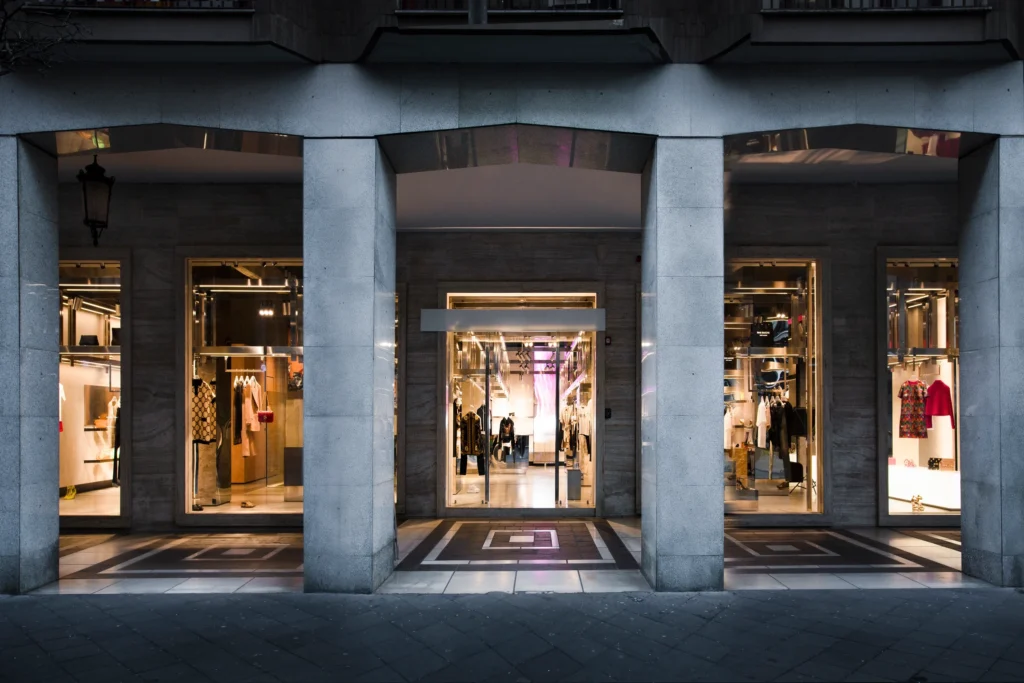
The project we developed with a large clothing chain operating in Asia, with dozens of stores and a model similar to Zara’s, challenged exactly that equation.
The goal wasn’t to “add fragrances” to the range. It was to extend an existing brand strategy: Trading Up.
The context: fast fashion, but very clear branding
The client operates in a well-defined segment:
-
many stores
-
high volumes
-
fast-changing collections
-
affordable price
-
a young but increasingly discerning audience
As in clothing, in beauty the brand doesn’t compete on the lowest price. It competes on perceived value.
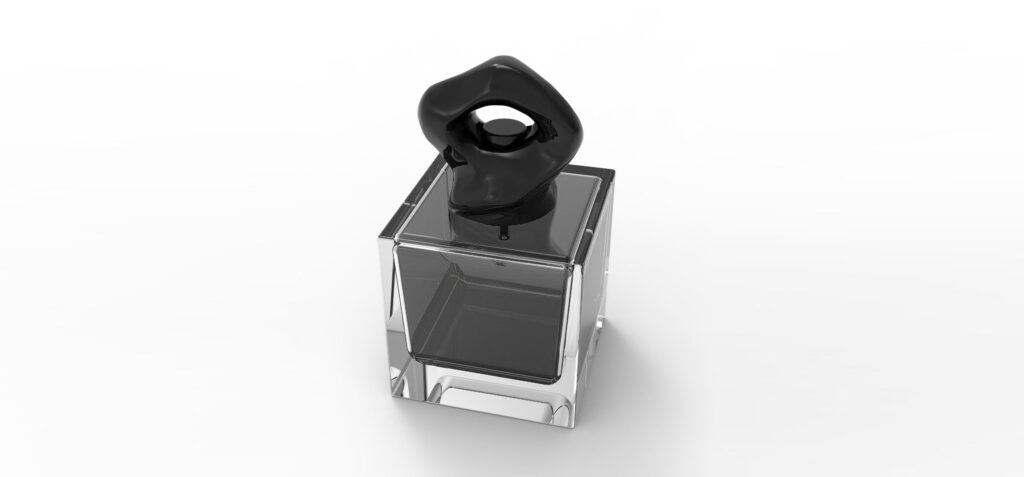
The initial request was clear: to create two fragrance lines, designed for its own customers, consistent with the brand’s positioning and able to raise the perceived level of the offer.
Two lines, two price points, one strategy
The strategy called for:
-
a first line with a retail price of around 35 €
-
a second line with a retail price of around 60 €
Not two separate projects, but two levels of the same value architecture.
For the first line we developed 12 fragrances. For the second, 8 fragrances.
Significant numbers, which called for:
-
stylistic consistency
-
clarity of language
-
production control
-
industrial sustainability
The complexity wasn’t in the individual product. It was in the overall system.
The core issue: perceived quality vs. actual price
The real challenge wasn’t hitting the price points. It was making those prices credible.
To do that, we didn’t work downward. We worked upward.
The logic was the same one they had applied for years in their core fashion business: offering a product that seems to belong to a higher bracket while maintaining an affordable price.
This is the heart of Trading Up.
Production costs as a lever, not a limit
Average production costs were defined very clearly:
-
around 8,50 € for the €35 line
-
around 12 € for the €60 line
Figures that, in perfumery, allow for genuinely very high quality, if managed properly.
The point wasn’t to squeeze costs. It was to allocate them the right way.
As in clothing, value isn’t determined by how much it costs to make a single piece, but by how much perceived value that cost can generate.
Full Made in Italy as a strategic choice, not a story
Both lines were developed and produced entirely in Italy:
-
olfactory development
-
components
-
production
-
filling and packing
A choice that might seem counterintuitive for a project aimed at a fast-fashion market. In fact, it was one of the most rational decisions.
Full Made in Italy made it possible to:
-
maintain a very high quality standard
-
ensure consistency across large volumes
-
control lead times and repeatability
-
avoid invisible but costly compromises
In this project, Made in Italy wasn’t a claim. It was the infrastructure that made Trading Up possible.
€270 quality, €35 and €60 price points
The benchmark for olfactory quality, materials, and overall performance was clear:
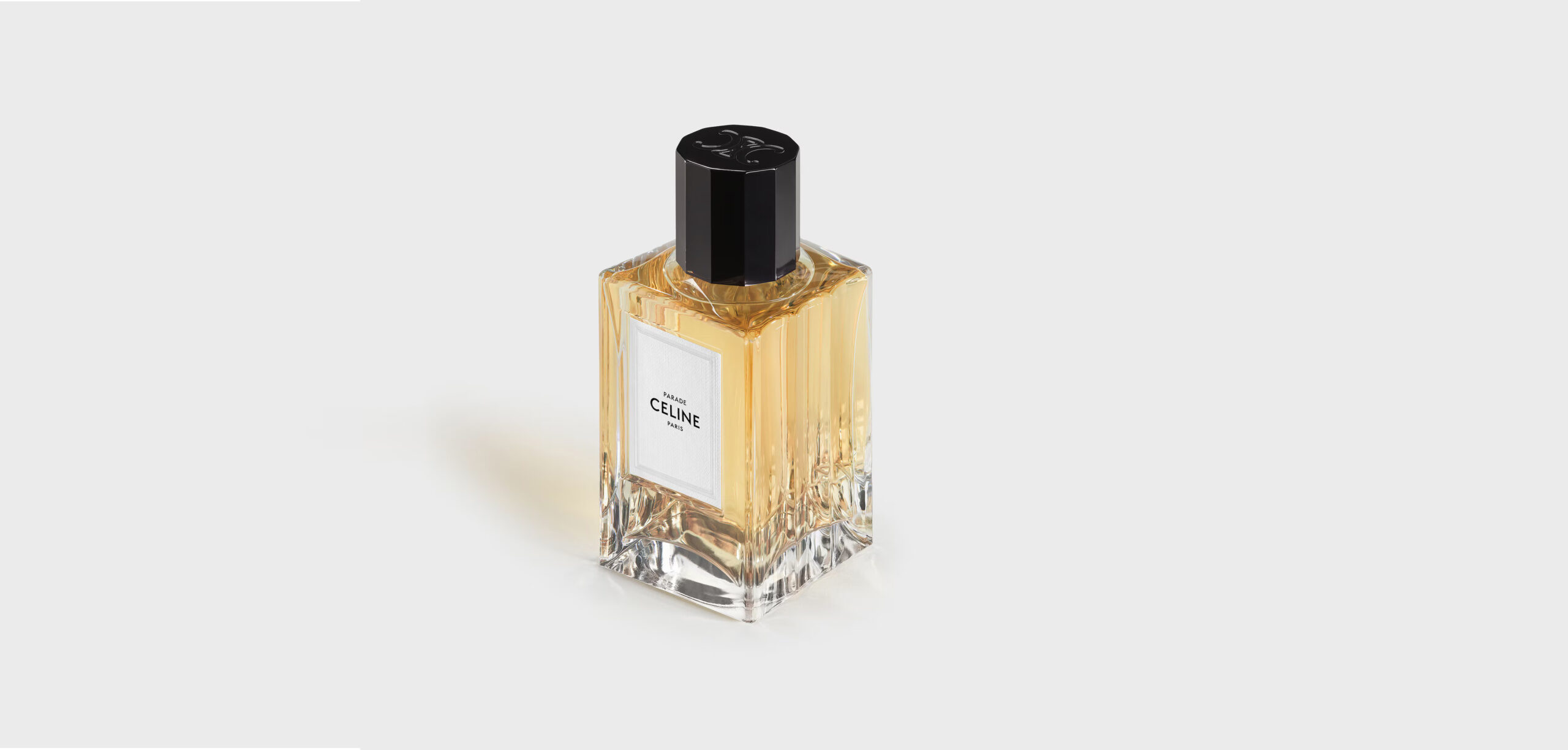
a level comparable to that of premium brands selling at around €270, such as Celine.
The difference wasn’t in product quality. It was in the business model.
Big premium brands allocate much of their value to:
-
marketing
-
image
-
distribution (selective)
-
endorsements
In this project, as already happens in clothing, value was moved into the product.
The result was simple and powerful: €270 quality, sold at €35 and €60.
Fragrance as a natural extension of the brand
Another key aspect was the role of fragrance within the brand ecosystem. Not an add-on. Not a gadget.
But a natural extension of the fashion experience:
-
the same collection logic
-
the same aspirational accessibility
-
the same stylistic consistency
Fragrance, like clothing, becomes a way to:
-
enter the brand
-
stay in it
-
recognize it
What the Asia project teaches us
This project demonstrates that:
-
fast fashion is not incompatible with quality
-
an accessible price doesn’t mean compromise
-
luxury is not a matter of cost, but of value allocation
When Trading Up is applied with method, the result isn’t a “cheap product imitating luxury”.
It’s a smart product that redefines expectations.
Conclusion
The Asia project isn’t interesting because of the numbers. It’s interesting because of the logic behind it.
It shows that perfumery can adopt models already proven in other sectors, such as fashion, and turn them into tools for real growth.
When quality, price, and positioning are aligned, the market does not wonder why it costs so little. It asks why the others cost so much. And that's where a brand changes the rules of the game.
Editorial note – Insight Journal
This article isn’t about fast fashion. It’s about value strategies applied the right way.
Because today, real innovation isn’t lowering the price, but raising quality while keeping it accessible.