When a fragrance becomes a system, not a product
In perfumery, most projects start with a clear goal: developing a product.
A perfume. A diffuser. A specific experience.
In this project, the starting point was different. Not a product, but a system.
The context: a global multinational
The project came out of a collaboration with a multinational in the tools industry, with thousands of stores worldwide.
A context far removed from traditional perfumery, and precisely for that reason extremely interesting. The goal was not to “get into fragrance”.
It was to use fragrance as a lever to improve the overall brand experience.
From product to olfactory experience
The initial brief wasn’t about a single category. It was about building a consistent system for using fragrance at different moments of everyday life. That’s how the Cross Market project was born.
We developed four product types, each with a precise function:
-
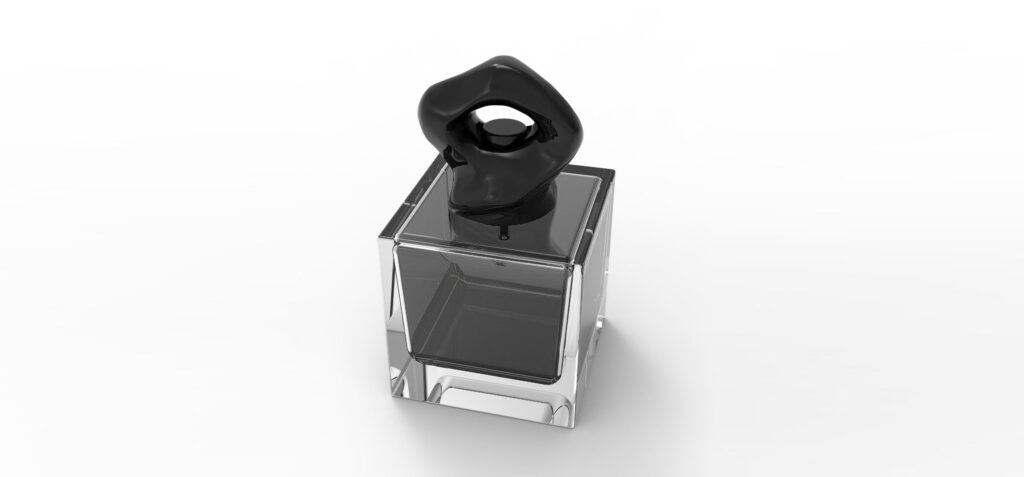
Car fragrances
A natural extension of the experience beyond the store. -
Home diffusers
The brand, carried on into the home. -
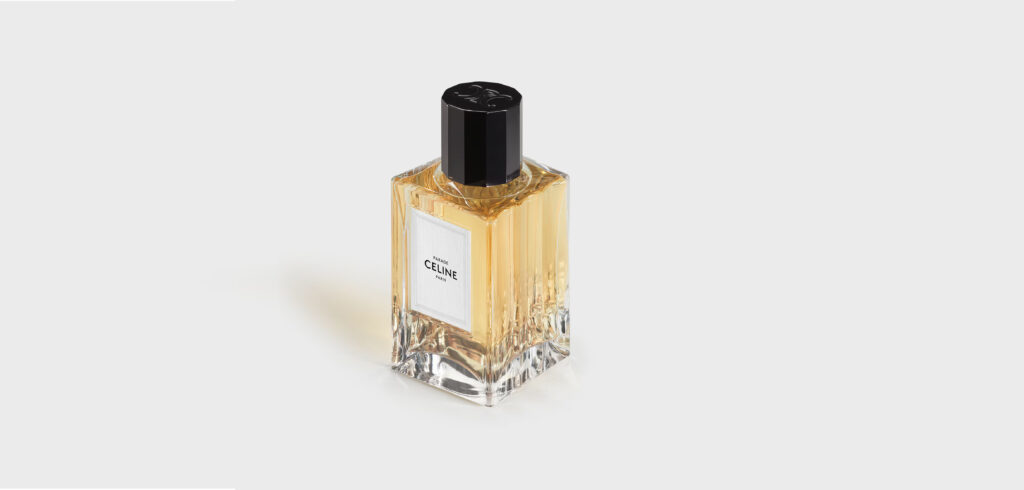
Personal fragrances
A more intimate expression, tied to the person. -
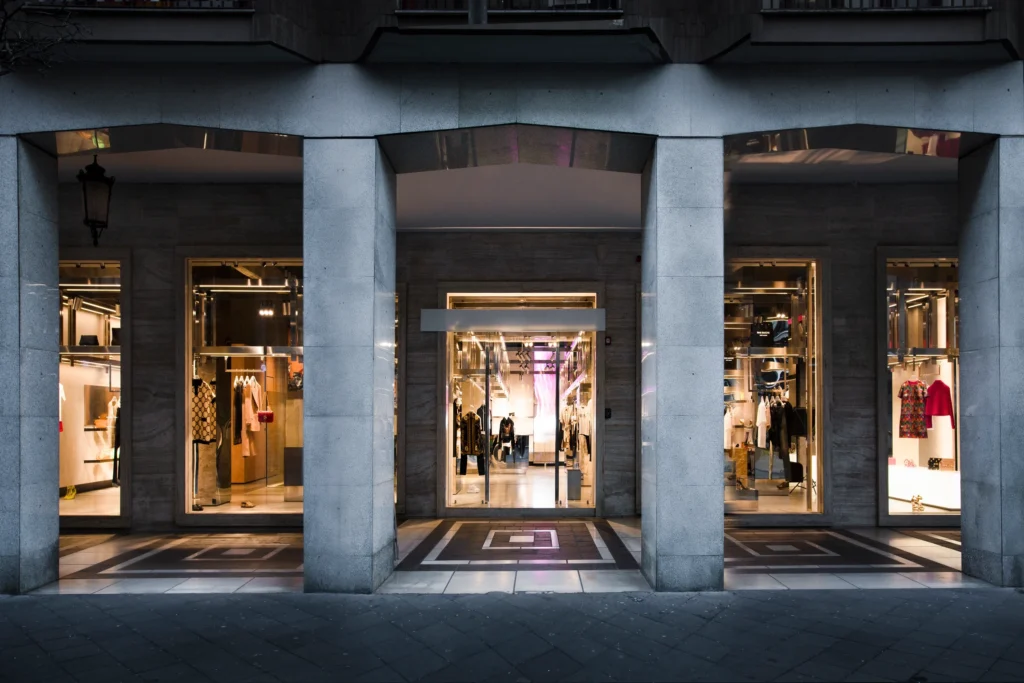
In-store scenting systems
In-store diffusion systems, designed for scent marketing.
Four different categories. One logic.
The challenge: consistency across different contexts
The real work wasn’t developing four products. It was building consistency across completely different contexts.
Car. Home. Person. Retail space.
Each setting has:
-
different exposure times
-
different ways of being experienced
-
different intensity requirements
-
different sensory expectations
The risk was obvious: creating four disconnected products. The goal was the opposite: creating a recognizable experience, adapted yet consistent.
Fragrance as language
In this project, fragrance was not treated as an isolated element. It was treated as a language.
A language that can:
-
accompany the customer at different moments of the day
-
strengthen brand recognition
-
create continuity between physical and personal spaces
The difficulty wasn’t creating good fragrances. It was creating fragrances that were consistent with each other and adapted to their context.
Scent marketing: from support act to strategic lever
A central part of the project was developing in-store diffusion systems. Scent marketing is often treated as an add-on. Here, it became a strategic lever.
Not to “make the space smell nice”, but to:
-
increase time spent in store
-
strengthen brand identity
-
create a more immersive experience
And above all, to connect with the other products. People who experience it in store can find it again at home, in the car, on their skin.
The true value of the project
The value of this project doesn’t lie in the individual categories. It lies in the ability to build a cross-market olfactory system. A system in which:
-
each product has a function
-
each function is consistent with the brand
-
each touchpoint reinforces the others
It’s not a range extension. It’s an extension of the experience.
Conclusion
Projects like this point to an increasingly clear direction in contemporary perfumery.
Fragrance is no longer just a product to sell. It is a tool for building relationships, continuity and identity. When it is designed as a system, it becomes part of the customer’s everyday experience.
That is when it stops being an add-on and becomes a genuine strategic asset.