
The gap between promise and operational capacity
In perfumery, marketing is often seen as the engine of growth.
Campaigns.
Launches.
Visibility.
Everything is geared toward generating demand. But there is a critical point many projects underestimate:
what happens when that demand actually arrives.
The initial misunderstanding
Many brands build the project in a linear sequence:
– develop the product
– build the marketing
– generate demand
Only then is production addressed. This approach works as long as demand is limited. It becomes a problem when the project starts to perform.
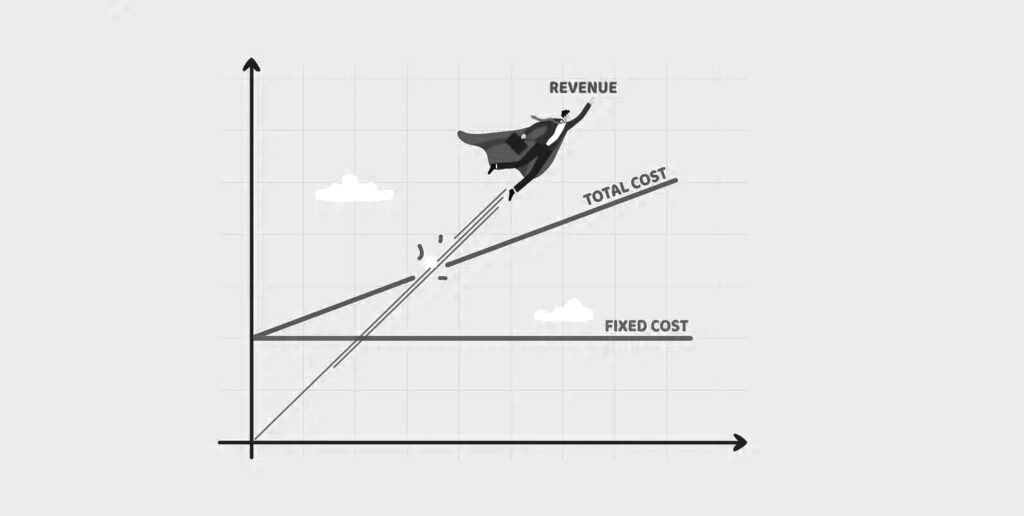
When marketing really works
Effective marketing creates pressure.
– more orders
– more requests
– more attention
This is the outcome you want. But it is also the moment when structural weaknesses surface.
Because every increase in demand has to be backed by:
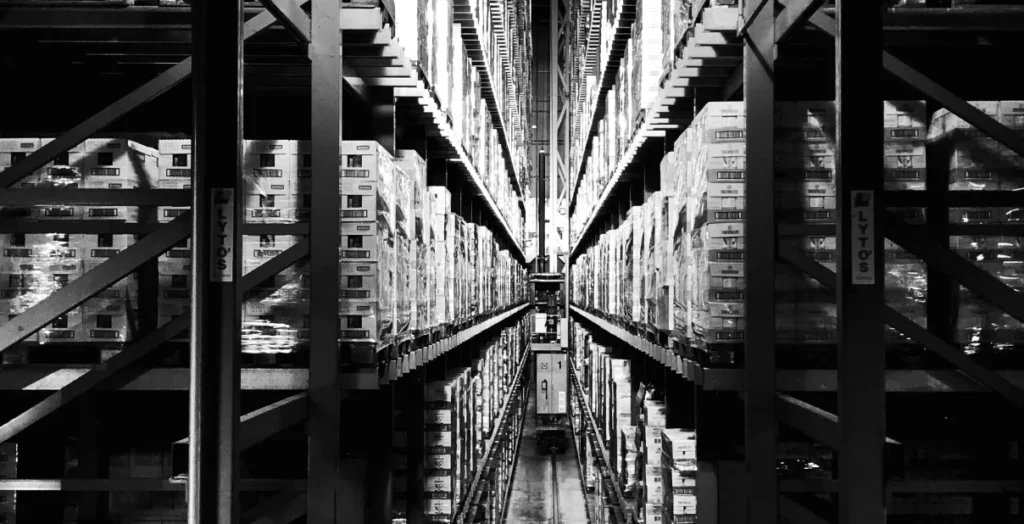
– production capacity
– reorder speed
– consistent quality
When these elements are out of alignment, the system comes under strain.
Unsustainable launches
One of the most common mistakes is building launches on purely marketing logic:
– strong storytelling
– effective communication
– high expectations
without the real operational capacity to back them up. The result is predictable:
– late deliveries
– stockouts
– trouble with reorders
In this scenario, the problem is not the launch. It is a structure that was never designed to support it.
The hidden cost of campaigns
Marketing campaigns have an obvious cost. But there is a less visible one. When a campaign generates demand that cannot be met:
– sales are lost
– the buying journey breaks down
– trust erodes
Above all, a gap opens up between promise and reality.
From an operational problem to a reputational one
This is the most critical point: the customer does not distinguish between marketing and production.
They don’t see:
– the supplier running late
– the sourcing problem
– the industrial constraint
They only see the outcome: a brand that promises and fails to deliver.
And that turns an operational problem into a reputational one.
The role of alignment
The strongest projects work differently. They don’t separate:
– marketing
– production
– logistics
They design them together. That means:
– building campaigns in line with production capacity
– planning launches around lead times
– sizing volumes on the real structure
Not to hold growth back, but to make it sustainable.
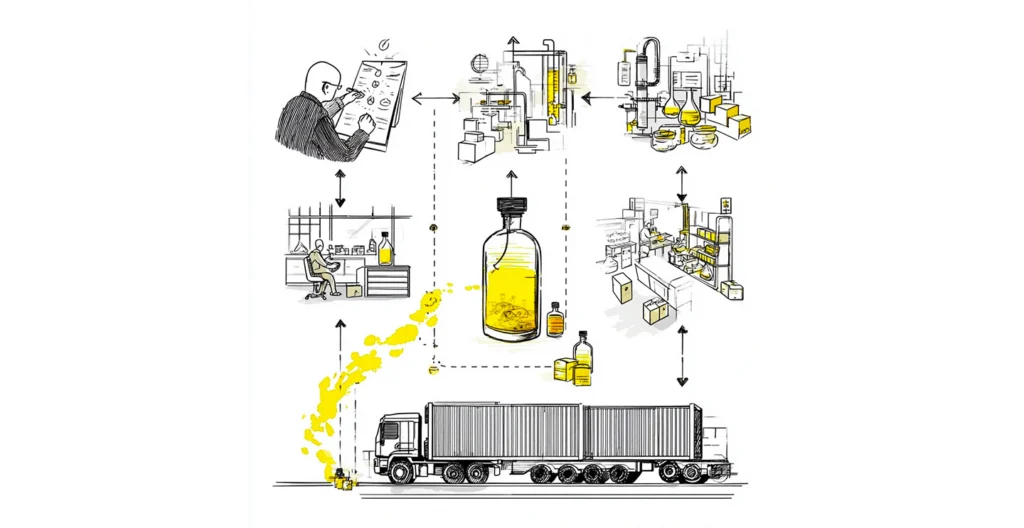
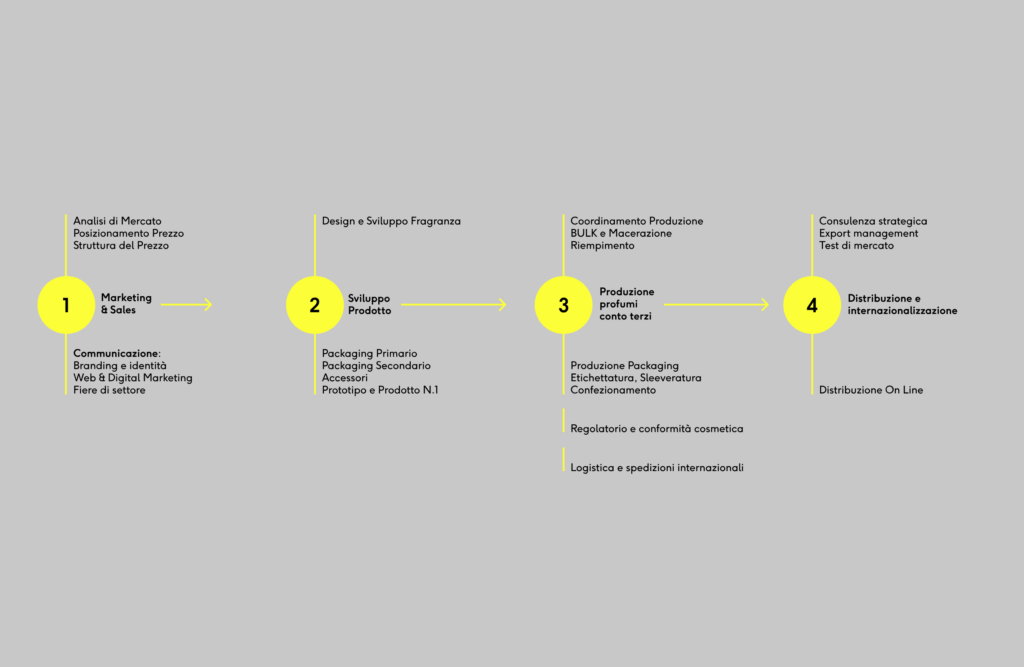
The integrated model
This is exactly where the value of an integrated approach becomes clear. When decisions are fragmented:
– marketing pushes
– production plays catch-up
– logistics adapts
The result is unstable. An integrated model, by contrast, makes it possible to:
– anticipate demand
– prepare the structure
– stay consistent over time
Conclusion
Generating demand is essential. But it is not enough. In the long run, the winners are not the ones who sell the most. They are the ones who can sustain what they sell.
Because the moment marketing truly works, responsibility shifts:
from the promise to the ability to keep it. That is where a project either grows or breaks.