Why it is a positioning issue, not an operational one
When people talk about product development in perfumery, the focus almost always falls on the same things:
– fragrance
– packaging
– design
– communication
The supply chain comes later. It is treated as an operational phase, a necessary step to turn an idea into a product.
In reality, it is one of the things that define the brand.
The most common misunderstanding
Many projects treat the supply chain as something to optimize downstream. First they decide:
– what to make
– how it should look
– how much it should cost
Only then is the production system built. This approach creates a rift, because the market does not experience the project in phases. It experiences it as a single whole.
And in that experience, the supply chain is always there.
The customer doesn’t see the supply chain. But they feel it
People who buy a fragrance don’t think about:
– production times
– lead times
– suppliers
– logistics
But they clearly notice their effects. For example:
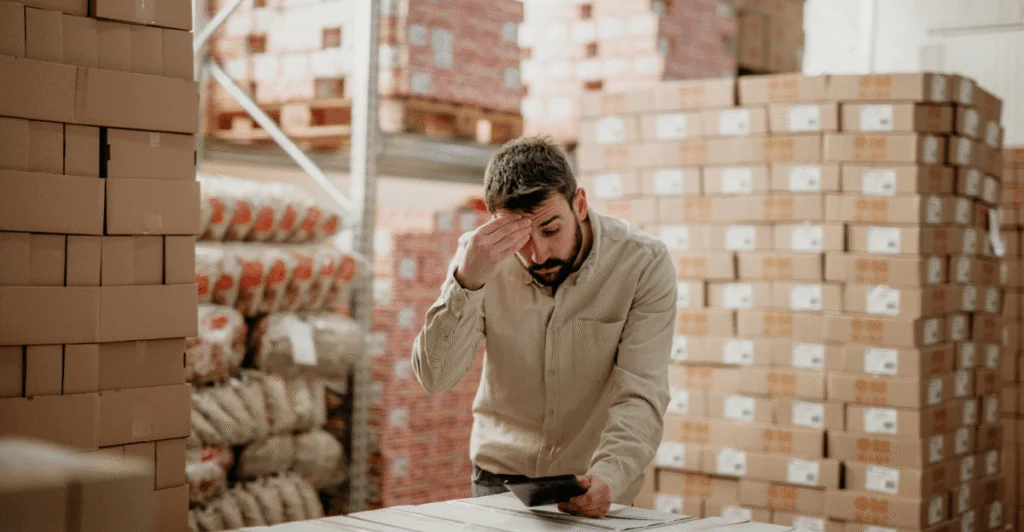
– a product that arrives late
– a reorder that takes months
– a SKU that is often out of stock
– differences between batches
These elements are not read as operational problems. They are read as signs of brand weakness.
Time = perception
In premium positioning, time is a key variable. A brand that cannot keep to its timelines:
– loses credibility
– creates uncertainty
– weakens the relationship with the customer
Speed is not necessarily a value. Predictability is.
A system that lets you plan, reorder and deliver consistently reinforces the perception of control.
And control is one of the hallmarks of strong brands.
Availability = trust
Product availability is one of the most underestimated factors. A product that is not available:
– interrupts the buying process
– pushes customers toward alternatives
– weakens loyalty
Over time, this turns into a structural loss, because the customer stops seeing the brand as reliable.
It is no longer a question of desire. It becomes a question of trust.
Consistency = experience
One of the most critical aspects of the supply chain is consistency. The customer expects the product to be exactly the same every time:
– same performance
– same perceived quality
– same experience
When that doesn’t happen, the problem is not technical. It is one of perception.
The product loses its identity. And a product without identity is easy to replace.
The supply chain as a strategic choice
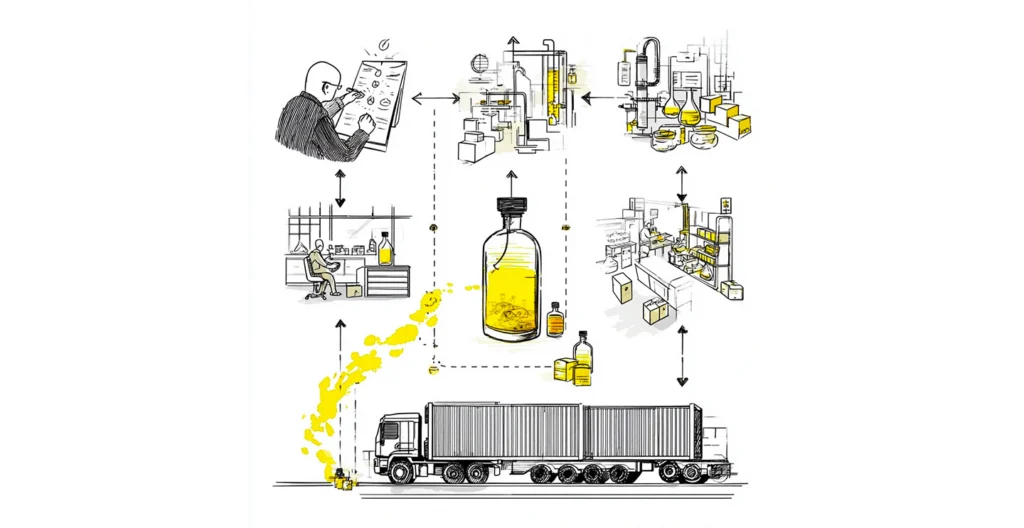
Look at the brands that work and a clear pattern emerges: the supply chain is not designed afterwards.
It is designed together with the product. That means:
– choosing components based on availability
– building stable relationships with suppliers
– designing packaging around lead times
– setting MOQs in line with the growth strategy
It is not technical work. It is design work.
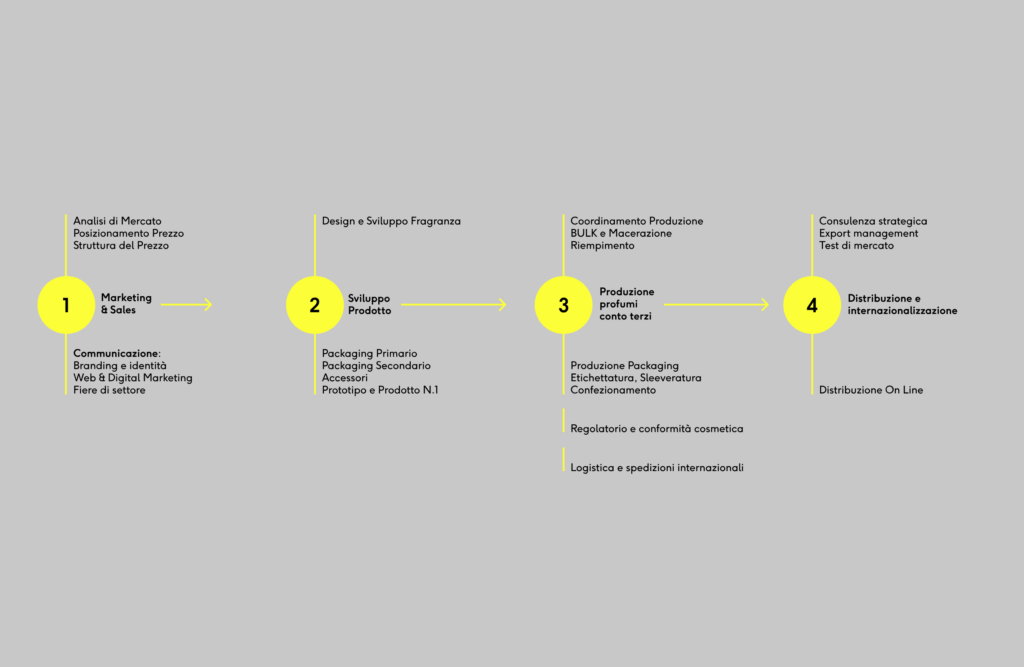
The role of the model: Full Service
This is exactly where the difference between a fragmented and an integrated approach shows. When decisions are spread across several players:
– design follows one logic
– production another
– logistics yet another
The result is often inconsistent. A Full Service model, by contrast, makes it possible to:
– align every decision
– anticipate constraints
– building a sustainable system
Not to simplify, but to make the project coherent.
Conclusion
The supply chain is not an operational layer. It is an integral part of positioning.
Because it determines:
– how the product reaches the market
– how available it is
– how consistent it stays over time
The customer doesn’t see it. But they judge it in every interaction.
And that is often where the difference lies between a product that works and a brand that lasts.