
Why design decides a purchase before the fragrance does
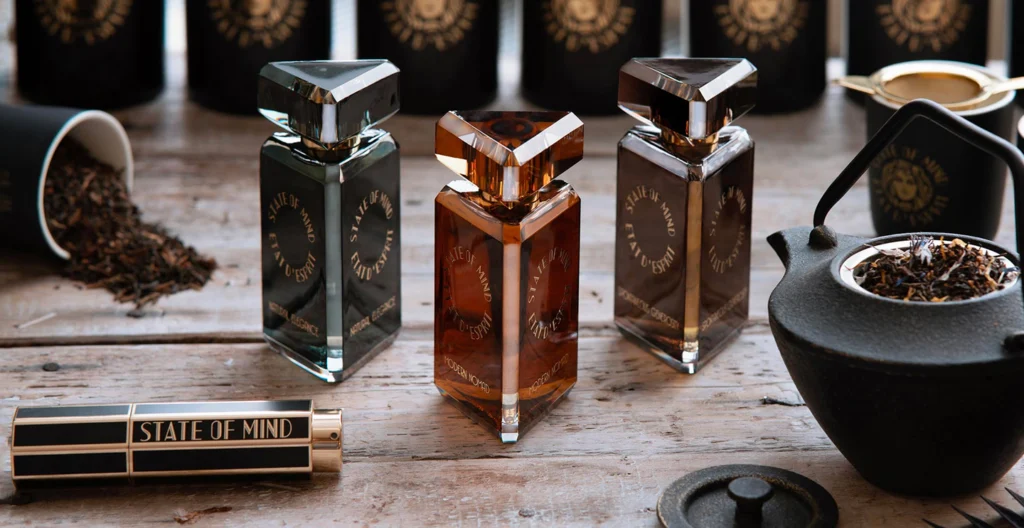
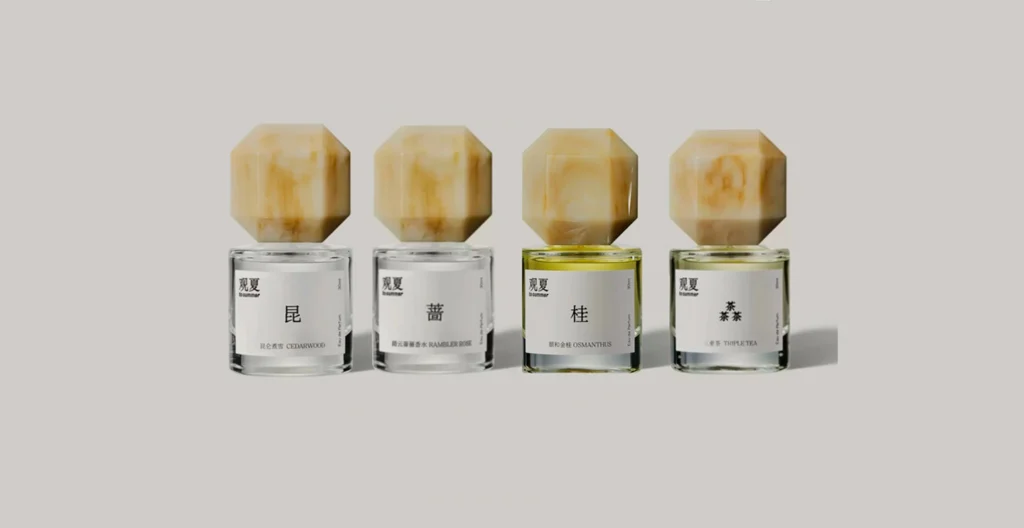
In perfumery, packaging is still too often treated as a matter of aesthetics. A style choice. A creative exercise.
This view is not just limited. It’s dangerous. Packaging is not the product’s outfit. It is the decision-making context in which the product is judged.
Before a fragrance is even smelled, the customer has already made a preliminary decision. Not a conscious one, but a perceptual one. The brain has already answered some fundamental questions:
– is it credible?
– is it consistent?
– is it worth the price?
– can I trust it?
Packaging is what triggers these answers.
The real way packaging fails
When packaging doesn’t work, it’s rarely because it’s “ugly”. It fails because it sends the wrong signals.
Signals that contradict each other:
-
materials that suggest a different price from the real one
-
a visual language that doesn’t match the target
-
a level of care that falls short of the brand’s promise
In these cases, the customer doesn’t reject the product. They simply stop. And in a saturated market, stopping means leaving.
Packaging as risk reduction
Every purchase, especially in the upper-mid and premium segments, is an exercise in managing risk.
Customers don’t just ask themselves whether they’ll like the product. They ask whether they are making a sensible choice.
Packaging has a precise job: to reduce perceived risk.
When the design is consistent with:
-
the price
-
the channel
-
the positioning
-
the promised experience
The decision becomes easier. Not because the product is better, but because the system is clearer.
Packaging shouldn’t grab attention
One of the most common mistakes is believing packaging has to “stand out”. In reality, effective packaging doesn’t interrupt, it accompanies.
It doesn’t shout. It doesn’t over-explain. It doesn’t try to convince.
It reassures.
And reassurance is what finally allows the fragrance to be discovered.
Consistency beats originality
Over time, we’ve observed one constant: originality without consistency creates curiosity. Consistency without originality creates trust.
In the long run, it is trust that builds value. Packaging is therefore not an isolated creative phase, but an early positioning decision.
Those who understand this build solid brands. Those who underestimate it build fragile products.