Why the future of perfumery lies not in products, but in experiences
For a long time, perfumery thought in terms of products.
A fragrance for the person.
A fragrance for the home.
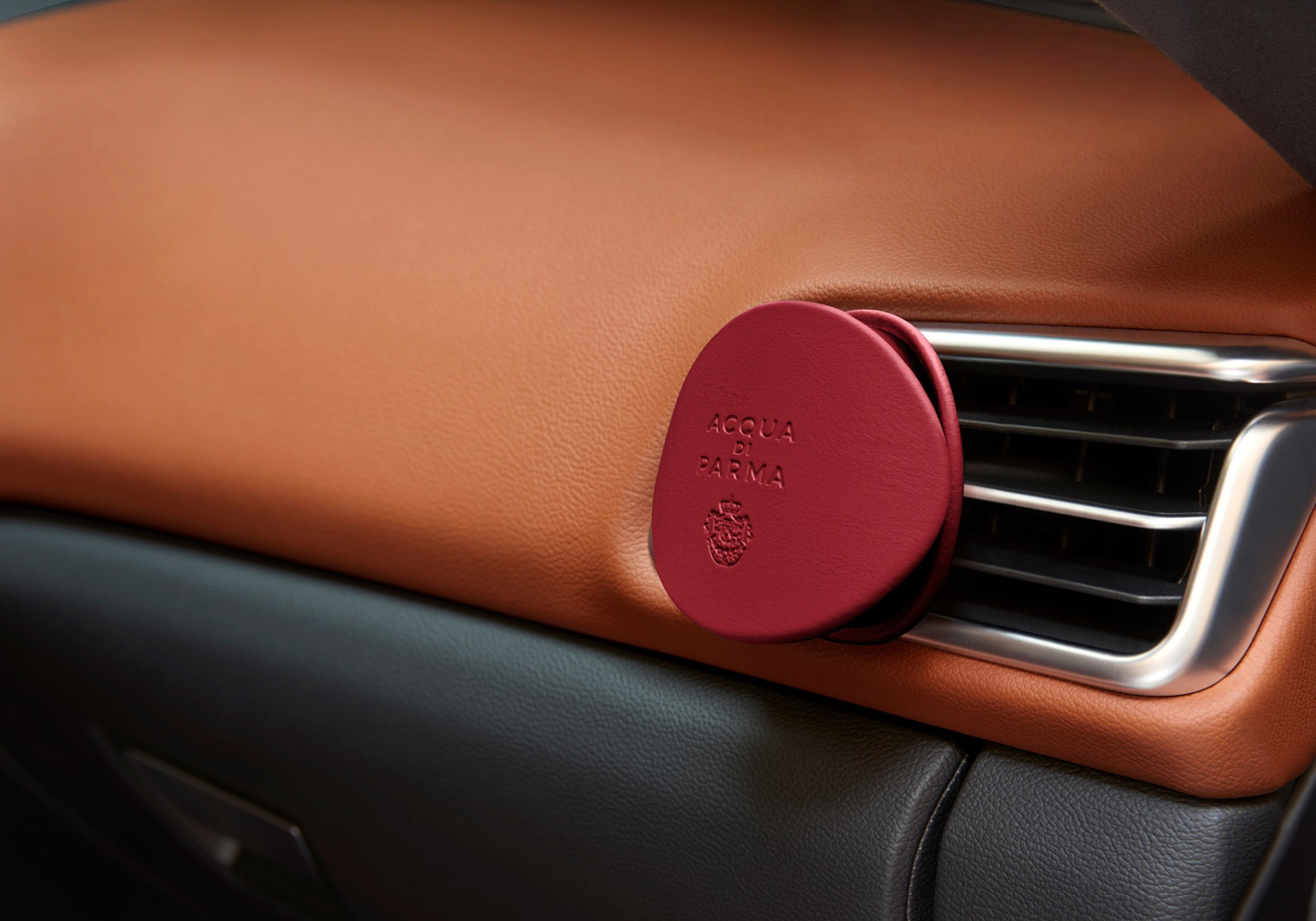
A diffuser for the car.
Each object designed as a world of its own, often with different fragrances, different identities, different languages.
This approach is not wrong. It simply belongs to another era.
An era in which:
-
touchpoints were few
-
channels were separate
-
the brand lived mostly on the shelf
That world no longer exists. Consumers don’t encounter a brand in one place or at one moment.
They encounter it over time, through different and often overlapping experiences: online, offline, personal, shared, intimate, public.
In this context, designing fragrances as isolated products is no longer enough. A paradigm shift is needed.
From product to experience
A product fulfills a function. An experience builds continuity. The difference is subtle, but decisive.
When a fragrance is designed only for one specific use, its value ends in that context.
When it becomes part of a broader experience, however, it starts working on memory, identity and brand recognition.
This is where perfumery stops being just “olfactory creation” and becomes sensory design.
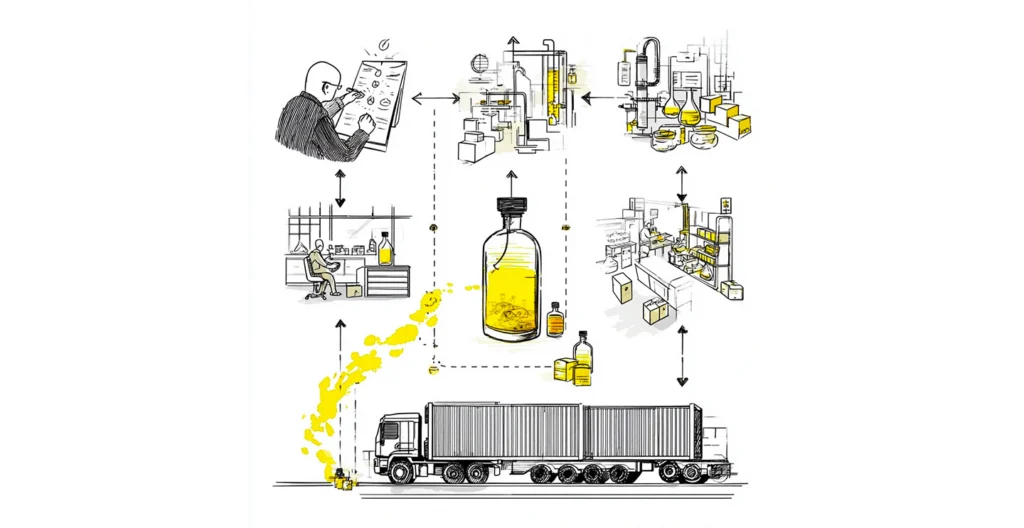
It is not about multiplying products. It is about orchestrating touchpoints.
One fragrance, many contexts
More and more brands are choosing to:
-
use the same fragrance for the personal perfume
-
extend it to the home
-
adapt it to the automotive world
-
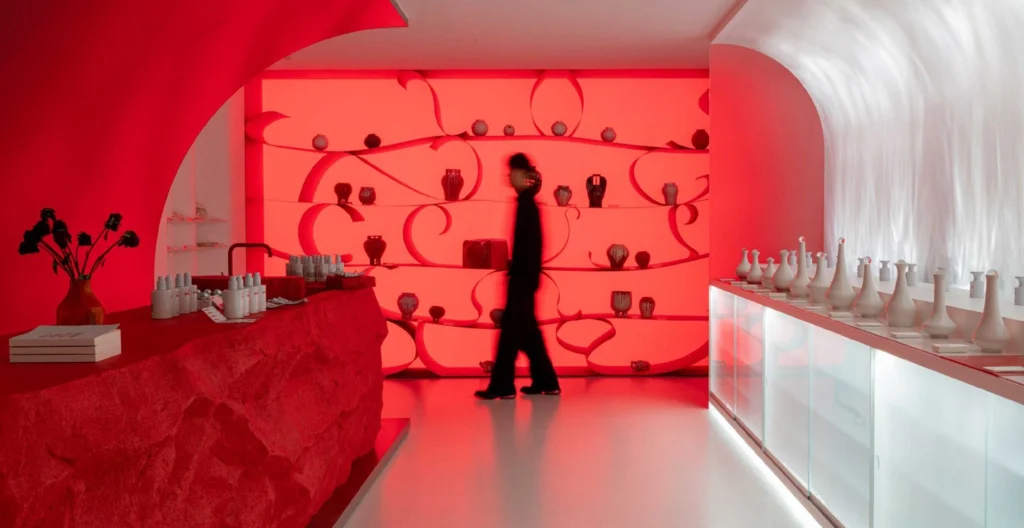
make it part of the retail experience
Not for lack of creativity, but out of vision.
When a fragrance accompanies a person through different moments, personal, private, on the move, it stops being “a nice fragrance” and becomes a signature.
A signature that:
-
creates familiarity
-
strengthens identity
-
reduces brand dispersion
This is the point that is often misunderstood: it is not about copying a formula from one product to another.
Each context has specific technical constraints:
-
diffusion method
-
perceived intensity
-
duration
-
safety and regulatory requirements
-
materials and temperatures
The challenge is not to replicate. The challenge is to interpret it consistently.
Consistency does not mean uniformity
A fragrance that works as a multichannel experience is not identical everywhere. It is recognizable everywhere.
This takes deep work, not only technical but strategic:
-
understanding what gives that fragrance its “identity”
-
preserving its character across contexts
-
adapting its performance without betraying its meaning
This is where the real value of starting from the market, not the factory, comes in. You don’t start from the product to develop. You start from the experience the brand wants to build over time.
Experiences beat products
A brand that thinks in terms of products:
-
piles up SKUs
-
fragments the message
-
multiplies costs
-
disperses identity
A brand that thinks in terms of experiences:
-
builds consistency
-
strengthens recognition
-
optimizes decisions
-
creates cumulative value
In the second case, each new touchpoint doesn’t add complexity. It adds depth. And today it is this depth that makes the difference between a brand that gets noticed and one that gets remembered.
The future of perfumery
The future of perfumery will not be defined by:
-
how many fragrances a brand launches
-
how many variants it offers
-
how creative the individual product is
It will be defined by:
-
how consistent the overall experience is
-
how recognizable it is over time
-
how well it accompanies people through the different moments of their lives
In this scenario, fragrance is no longer an object. It is a language. And like any effective language, it only works when it is part of a system.
Editorial note – Insight Journal
This article is not meant to describe a trend, but to clarify a shift in mindset that is already under way.
Those who keep designing only products will fall behind.
Those who start designing experiences will build the brands that matter.
Credits
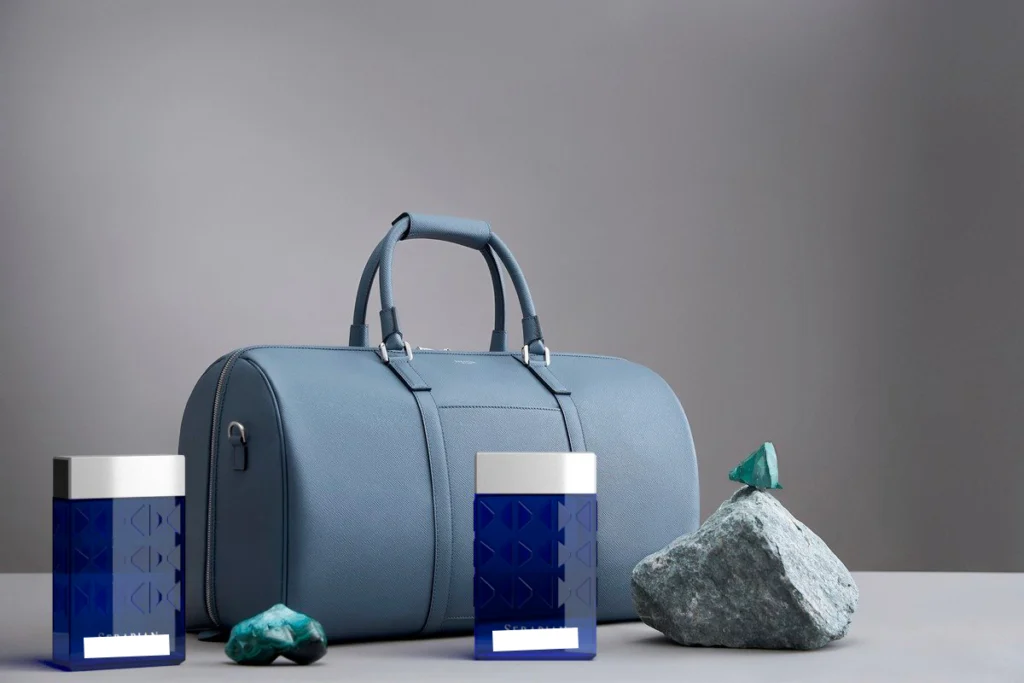
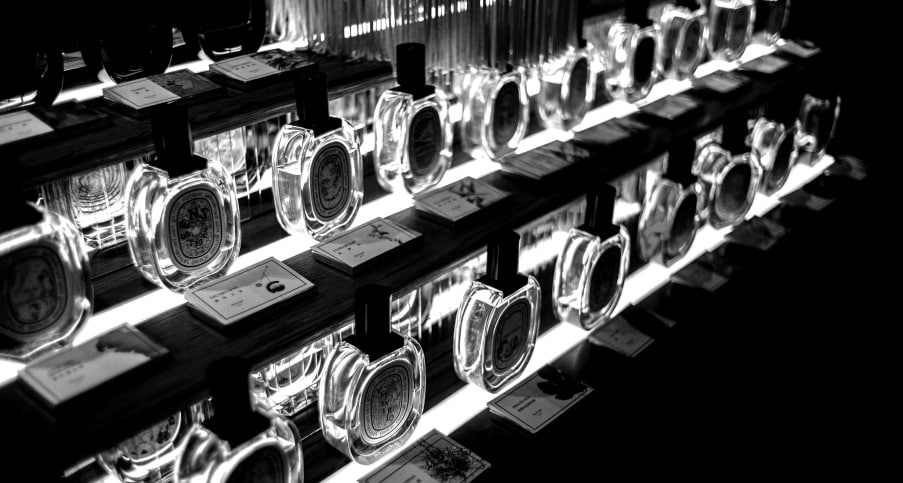
The image refers to a great example from the market: Acqua di Parma.