Why, in perfumery, haste destroys more value than a creative mistake
In the perfumery industry, time is almost always treated as a commercial factor.
“We need to launch before summer.” “It’s for the trade show.” “We need to ride the trend.”
The pressure is almost always external. The response, almost always internal.
But there is one point that is rarely addressed lucidly:
time is not just a calendar. It is an industrial variable.
And like any industrial variable, it has a cost.
The false perception of speed as an advantage
In the digital world we are used to thinking that speed is a competitive advantage.
Whoever gets there first wins. Whoever anticipates the trend dominates. Whoever speeds up gains share.
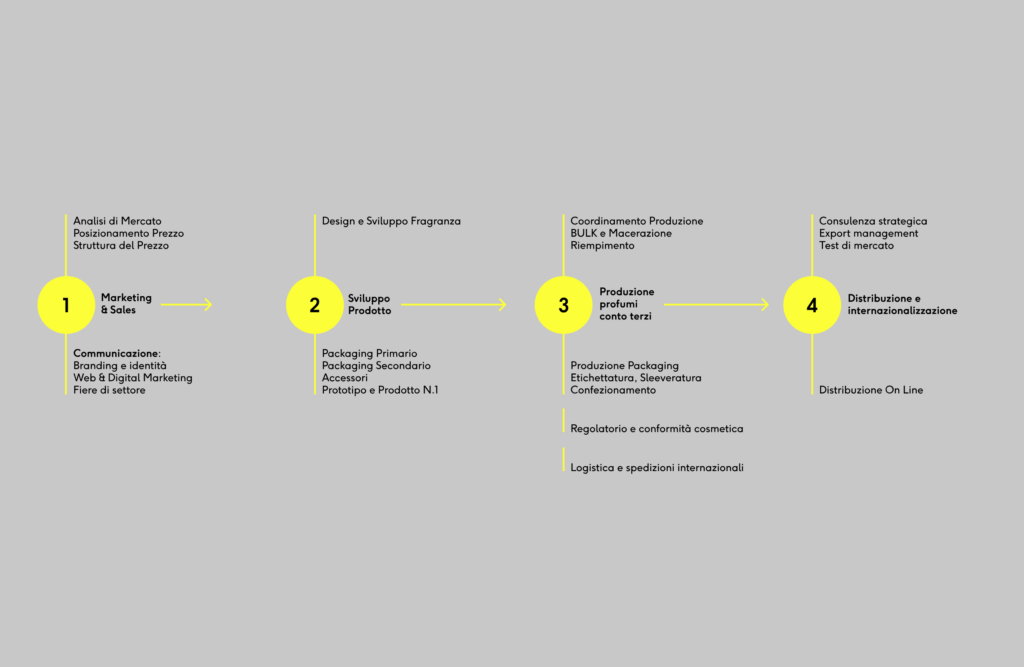
But producing a perfume is not a social media post. It is a complex system involving:
-
olfactory development
-
regulatory
-
raw material sourcing
-
bulk production
-
filling
-
packing
-
logistics
Every stage has minimum technical lead times. Compressing them creates tension in the system. And industrial tension always has a cost.
Where you really pay for haste
When a project is rushed, the first effects do not show in the creative result. They show in the operational details.
-
Compressed olfactory development
Fewer alternatives explored.
Less time for maturation.
Less stability testing.
-
Choosing packaging based on immediate availability
You do not choose the best component.
You choose the one that is available.
-
Less favorable commercial terms
Negotiation takes time.
Urgency reduces bargaining power.
-
Higher logistics costs
Urgent shipments.
Split shipments.
Exceptional handling.
-
Higher probability of error
Rushed coordination means a smaller margin for error.
The problem is that all this rarely blows up with the first batch. It blows up at reorder.
The difference between speed and responsiveness
There is an important distinction. Speed means compressing time. Responsiveness means being ready when it matters. A structured company can be responsive without being frantic.
Because it has already built:
-
solid relationships with suppliers
-
stable processes
-
volume forecasts
-
shared planning
An improvised project has to play catch-up.
Time affects margins
This is the least intuitive point. Many founders believe haste only affects logistics costs. In reality it affects overall margins.
Because:
-
less favorable MOQs are accepted
-
production optimizations are given up
-
batches get fragmented
-
residual stock goes up
Margin is not lost in a single mistake. It erodes through rushed micro-decisions.
Time as a strategic lever
A properly planned project:
-
defines the retail price early
-
sets realistic minimum volumes
-
coordinates fragrance and packaging in parallel
-
schedules reorders before launch
This approach does not slow down the project. It stabilizes it. And stability is a stronger competitive advantage than speed.
The hidden risk of trends
Riding a trend may seem like a smart choice. But a trend has two characteristics:
-
it is fast
-
it is shared by everyone
If production takes 6–8 months, the trend may already have changed. Chasing a trend with a slow structure creates misalignment.
It is much better to build:
-
solid identities
-
replicable systems
-
sustainable margins
Trends can accelerate a project. They cannot sustain it over time.
Planning as an invisible investment
Planning means:
-
locking in components early
-
negotiating better terms
-
testing more thoroughly
-
coordinating marketing and production
It is not a cost. It is an efficiency multiplier. A project that starts with 3 months of real planning is worth more than a project launched 3 months earlier.
Time and reputation
Then there is an element that is often ignored: industrial reputation.
A brand that:
-
changes delivery dates
-
postpones launches
-
changes specifications at the last minute
becomes less reliable. In the long run, reliability is worth more than speed.
The right question
The question is not: “How fast can we launch?”
It is: “How fast can we launch without compromising the system?”
The difference between the two questions is huge.
Conclusion
In the world of contemporary perfumery, haste is often mistaken for dynamism.
But production is a balance between:
-
creativity
-
industry
-
logistics
-
finance
Time is not just a deadline. It is a value lever. Those who compress it without judgement pay the price. Those who structure it build.