And that sink more projects than the perfume itself
When a new perfumery project takes shape, the focus is almost always on the same elements:
the fragrance, the name, the packaging, the image.
These are the visible parts.
The exciting ones.
The ones that are easy to fall in love with.
But in most projects that fail, the problem was never the perfume.
It was what had not been calculated upfront.
We are not talking about gross mistakes.
We are talking about calculations that simply never get done, because they are uncomfortable, unglamorous or put off “until later”.
Yet it is precisely these invisible numbers that decide whether a perfume can become a sustainable brand or remain a creative exercise.
The first ignored number: the price the market really accepts
Many projects start from the wrong question: “How much would I like to sell this perfume for?”
The right question is a different one: “At what price is this perfume credible for the market I am targeting?”
The difference is subtle, but fundamental.
Price is not a number that comes at the end. It is a design constraint that should guide everything:
-
type of packaging
-
weight of materials
-
sales channel
-
logistics costs
-
real margins
When the price is decided after the fact, the project is already fragile.
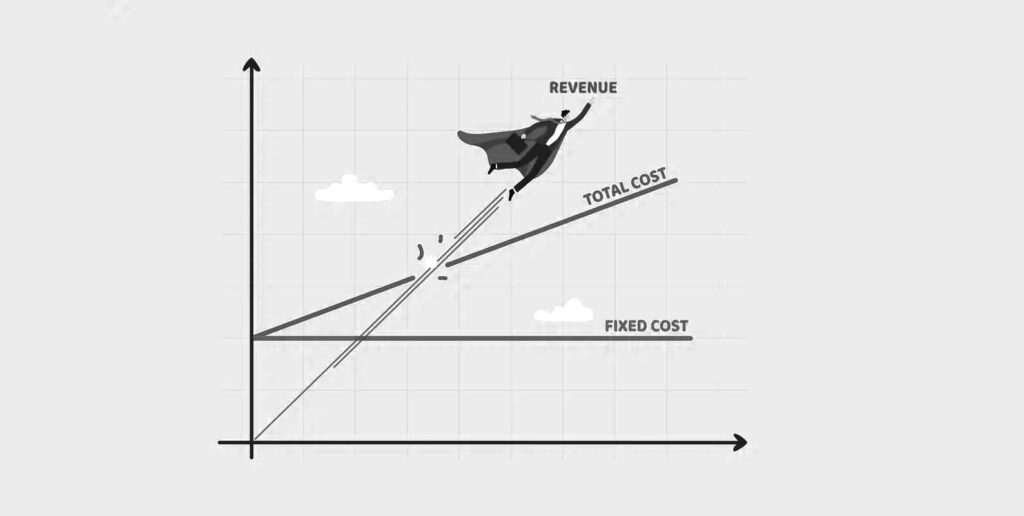
The second number: total cost, not unit cost
One of the most common mistakes is to look only at the cost per unit.
But a perfume is never just:
-
the cost of the fragrance
-
the cost of the bottle
-
the cost of the box
There is a total system cost, including:
-
scrap
-
returns
-
rework
-
minimum order quantities
-
capital tied up in stock
-
idle time
-
forecast errors
Many brands discover too late that a product that is “cheap” to produce is actually very expensive to sustain over time.
The third number: the margin you really need
A project does not die because it does not sell. It dies because it sells without margin.
Margin is not just for “making money”. It is there to:
-
absorb errors
-
support reorders
-
finance future development
-
handle the unexpected
When margin is squeezed to “get into the market”, the project becomes rigid. And a rigid project does not hold up over time.
The fourth number: the channel decides more than the product
A perfume does not have the same P&L when it is sold:
-
online
-
in boutiques
-
in selective perfumery
-
through social commerce
Each channel has:
-
different costs
-
different expectations
-
different dynamics
Designing a product without first clarifying where it will really be sold means designing blindly.
The channel is not a consequence. It is a structural decision.
The fifth number: time is not neutral
Time has a cost. Always.
Every extra month before launch means:
-
idle capital
-
fixed costs
-
loss of momentum
-
pressure on decisions
But the opposite is also true: launching too fast creates mistakes that cost much more later.
Time should not be sped up or slowed down at random. It should be designed.
The most underestimated number: what happens after the first batch
Many projects work at the first launch. And stall right after.
Because no one asked:
-
what happens at reorder?
-
does the cost really go down?
-
is production replicable?
-
does the supply chain hold up?
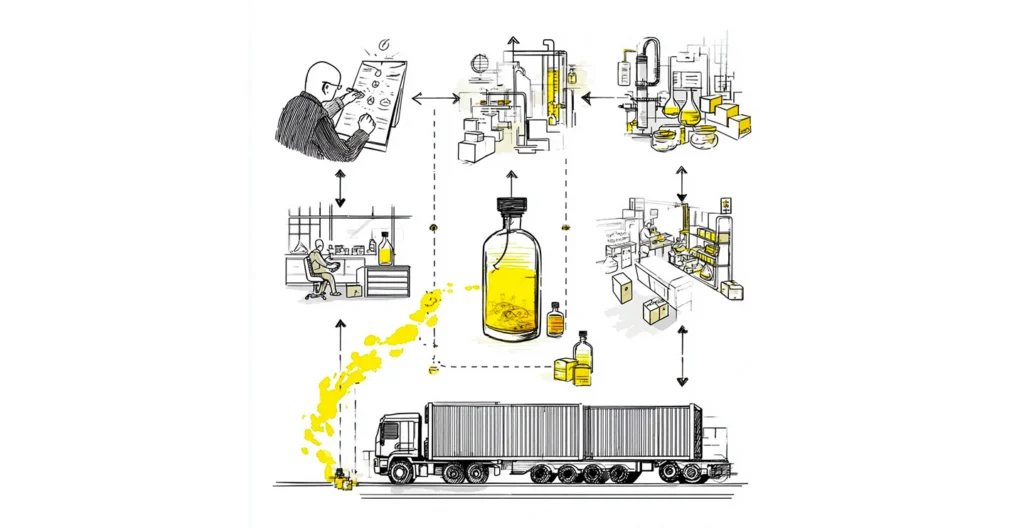
A perfume is not an event. It is a system. If the system has not been thought out from the beginning, initial success becomes a problem, not an advantage.
Why these calculations get avoided
The truth is simple: these numbers take the magic away.
They force you to make choices. To give things up. To scale down or rethink.
But the magic of a project is not in ignoring the numbers. It is in running them first, while it is still possible to change course.
Conclusion
Making a good perfume today is not difficult. Building a project that can last is.
The brands that work are not the ones that avoided the numbers. They are the ones that faced them before falling in love with the result.
Because in the contemporary market, creativity without structure is not freedom. It is uncalculated risk.
Editorial note – Insight Journal
This article is not a call for caution. It is a call for awareness.
Because the real luxury today is not launching a perfume. It is building a project that can afford to do it again tomorrow.