The cost lies not just in the product, but in the interfaces.
The true cost of complexity
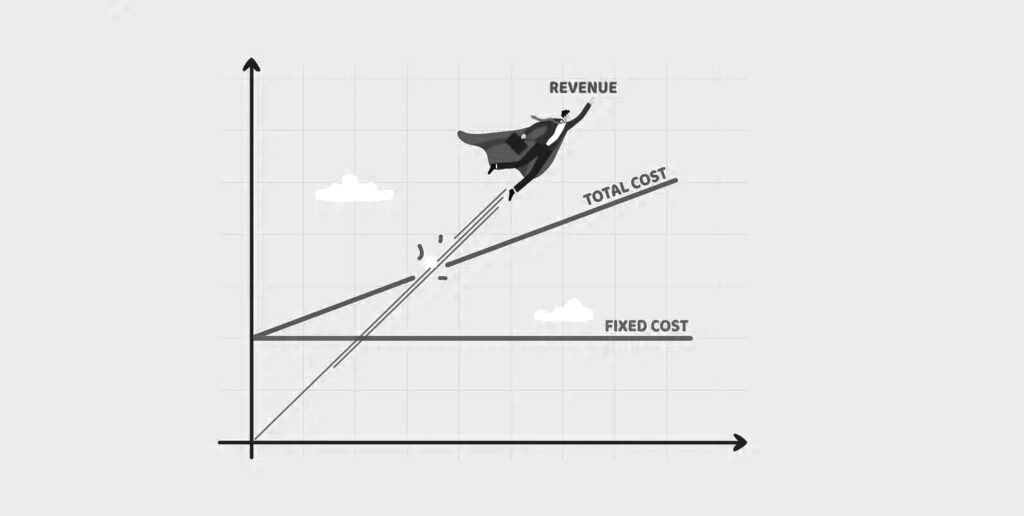
What does it really cost to produce a perfume? The answer is not simply the sum of fragrance, bottle, pump, cap, carton, filling and packing. In a fragmented supply chain there is a second layer of cost, less visible but often decisive: the cost of complexity. It is generated by the interfaces between suppliers, unsynchronized lead times, last-minute emergencies, coordination errors, safety stock and the time the brand’s team spends keeping the system running. For a growing fragrance brand, understanding this cost matters as much as negotiating the price of each component.
Why industrial complexity is costly
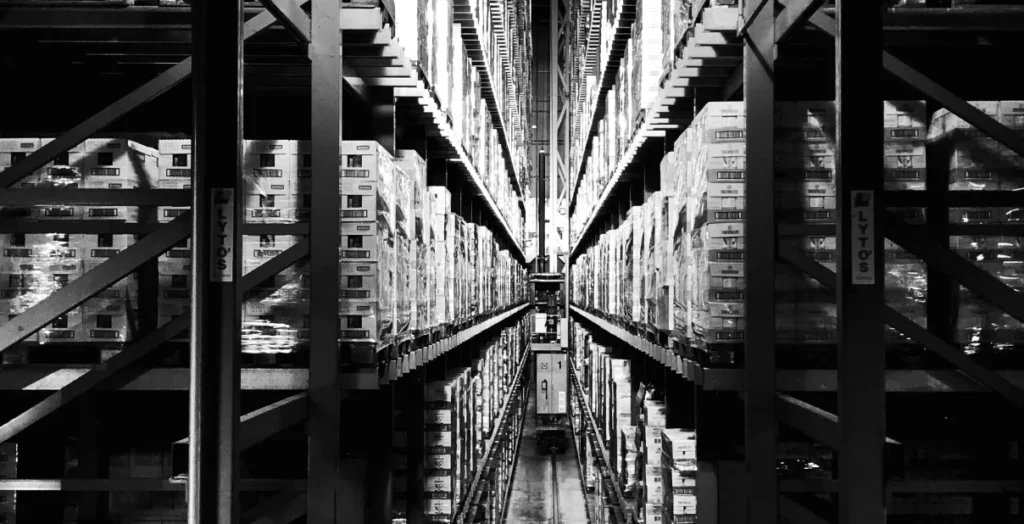
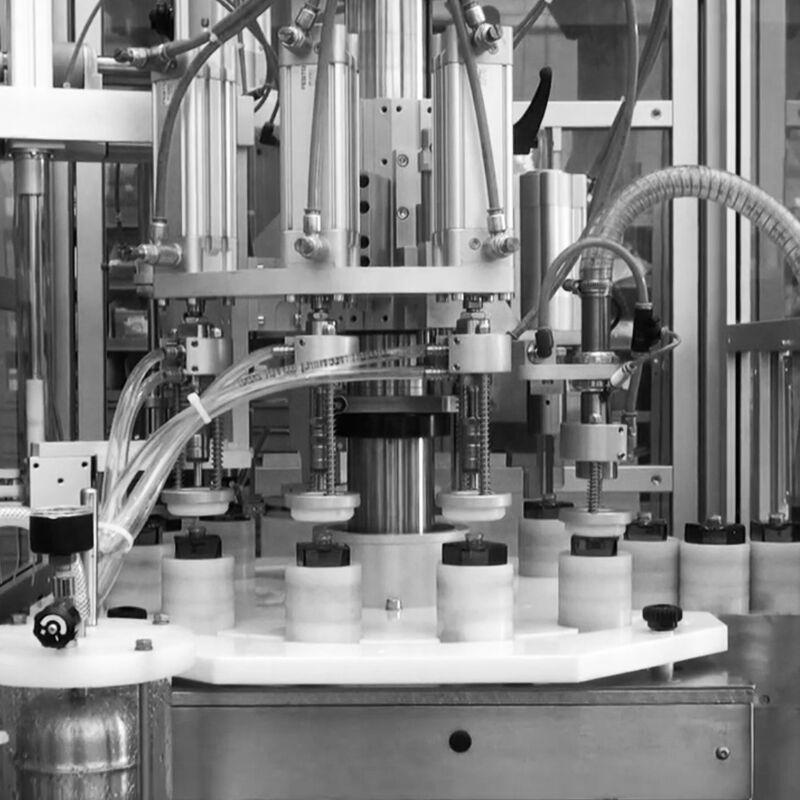
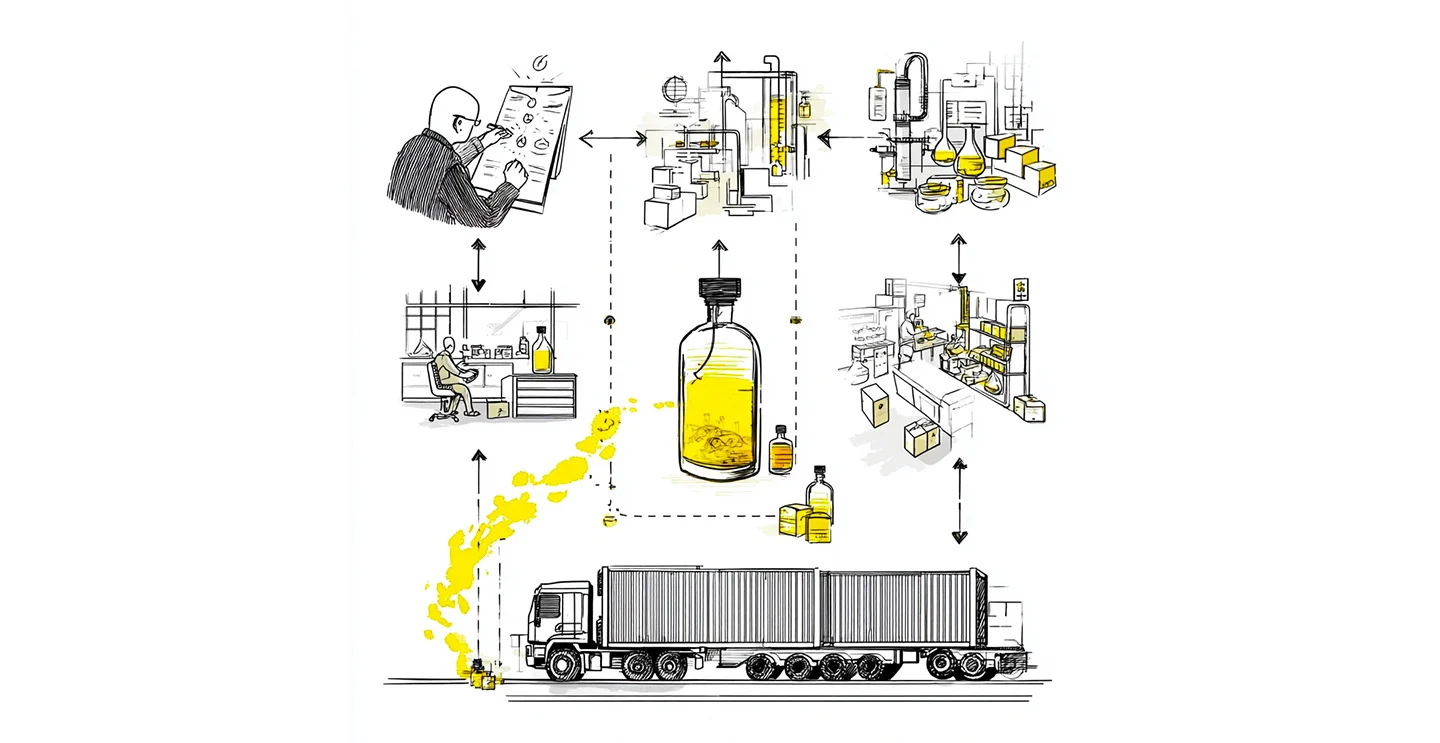
A fragrance project can involve a fragrance house, a glass manufacturer, pump and cap suppliers, a decorator, a carton maker, a filler, a regulatory lab, a warehouse and logistics providers. Each partner may be excellent. The problem arises when nobody is responsible for the whole. Every handover adds information to pass on, dates to align, specifications to check and potential points of failure. The cost doesn’t show up on any single invoice: it surfaces in delays, rush shipments, rework and internal hours spent on coordination.
Unit cost doesn’t tell the whole story
Comparing two quotes purely on cost per unit can lead to a decision that looks rational but is economically weak. A cheaper component may come with higher MOQs, longer lead times or more variable quality. Cheaper production may require more stock, more checks and more work from the internal team. The right metric therefore becomes Total Cost of Ownership: what that choice costs the whole system, from procurement through to delivery.
Where the cost of complexity hides
The main indicators can be measured: number of suppliers per SKU, coordination hours, total lead time in days, share of rush orders, safety stock, non-conformities, extraordinary shipments and tied-up capital. None of these figures, taken alone, describes efficiency. Together they show how much work it takes to turn separate components into a sellable product.
Reducing complexity doesn’t mean reducing expertise
An integrated supply chain doesn’t necessarily need fewer suppliers. Specialization remains an advantage. The point is to reduce the number of interfaces the brand has to manage directly and to assign clear responsibility for coordination. An industrial General Contractor can also bring in partners chosen by the client, keeping specialist expertise while building a single operating plan.
The End-to-End perspective
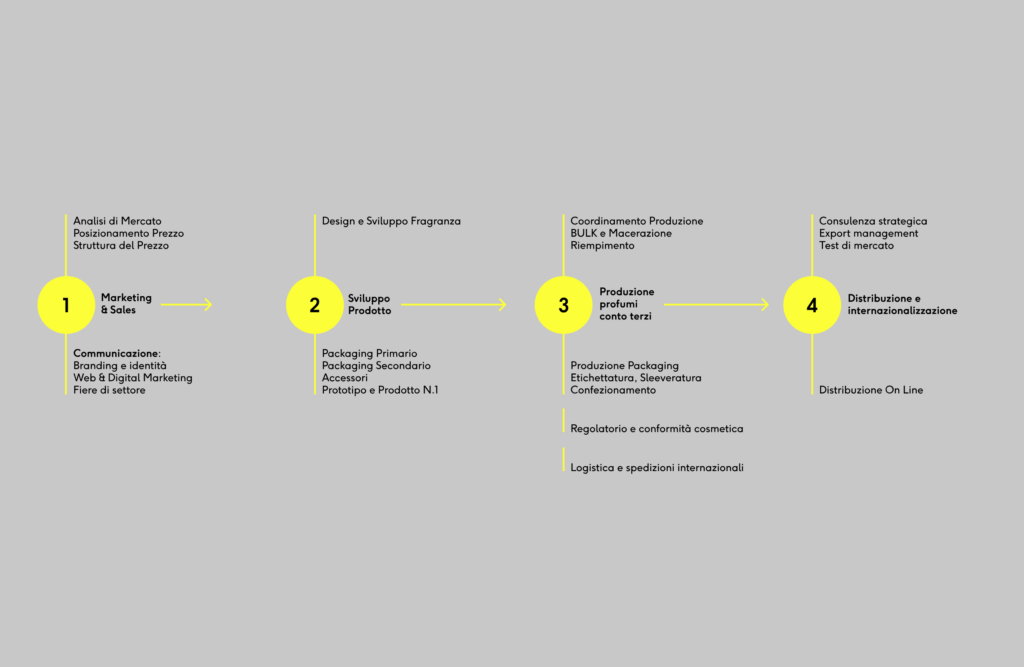
This is where an End-to-End Manufacturing Platform creates value. Product Development, Industrial Manufacturing, Supply Chain Management, Quality and Global Logistics are treated as parts of the same system. A decision about a cap isn’t just about the cap: it can affect MOQs, assembly, scrap, lead times and stock. Integration makes these consequences visible before they turn into costs. For BOLD, End-to-End doesn’t necessarily mean doing everything in-house; it means taking an overall view of, and overall responsibility for, the industrial process.
How to read complexity in practical terms
A useful assessment can start from a very simple map: for each SKU, list suppliers, MOQs, lead times, control points, stock and responsibilities. Then highlight the dependencies: which component holds up filling, which ties up the most capital, which generates the most exceptions. The result shouldn’t be a theoretical document but a list of priorities. The first opportunities usually emerge in three areas: fewer interfaces, synchronized lead times and smart standardization of components. Even without changing suppliers, better coordination can cut emergencies and internal time.
A practical example
A brand with five SKUs might discover, for example, that the problem isn’t the cost of the glass but the fact that every item uses a different cap with a high MOQ. The biggest savings could then come from redesigning the range rather than from negotiating the price of the bottle.
Key takeaways
– The cost of the product and the cost of the system are two different things.
– More suppliers don’t automatically mean more inefficiency, but they do require more coordination.
– MOQs, lead times, stock and quality must be factored into the real cost.
– Total Cost of Ownership is more useful than unit price alone.
– An End-to-End platform mainly reduces the cost of interfaces.
FAQ
What is the cost of complexity in perfume manufacturing?
It’s the sum of the indirect costs generated by coordinating the supply chain: internal time, delays, stock, emergencies, non-conformities, extraordinary shipments and tied-up capital.
How do you reduce complexity in a fragrance supply chain?
By mapping suppliers, lead times, MOQs, responsibilities and critical issues, and putting a single point of coordination in charge of product development, procurement, production, quality and logistics.
Is a single manufacturer always more efficient?
No. The value doesn’t come from concentrating everything in one company, but from properly managing the interdependencies between specialized partners.
Conclusion
For a growing brand, efficiency doesn’t always come from the cheapest component. It often comes from a system that needs less energy, less capital and fewer exceptions to work. It is at this level that the End-to-End approach turns production from a sum of suppliers into industrial infrastructure.