The end result of a well-designed system
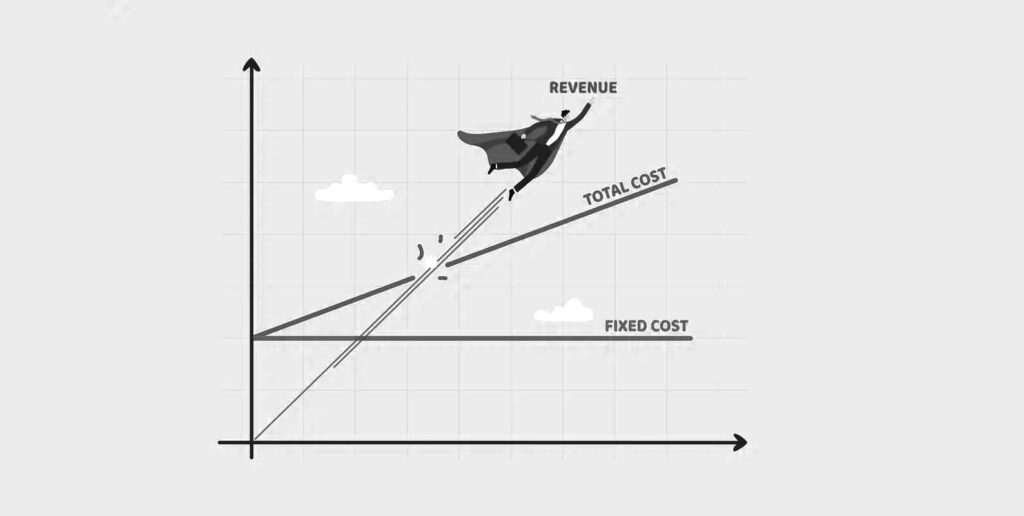
In marketing language, sell-out is often treated as the ultimate result. The final KPI. Measurable success.
This view is understandable. But it’s incomplete. Sell-out is not a finish line. It is an indicator.
It shows whether everything decided beforehand actually worked.
Where sell-out really starts
A product doesn’t sell because people “like” it. It sells because it creates no friction.
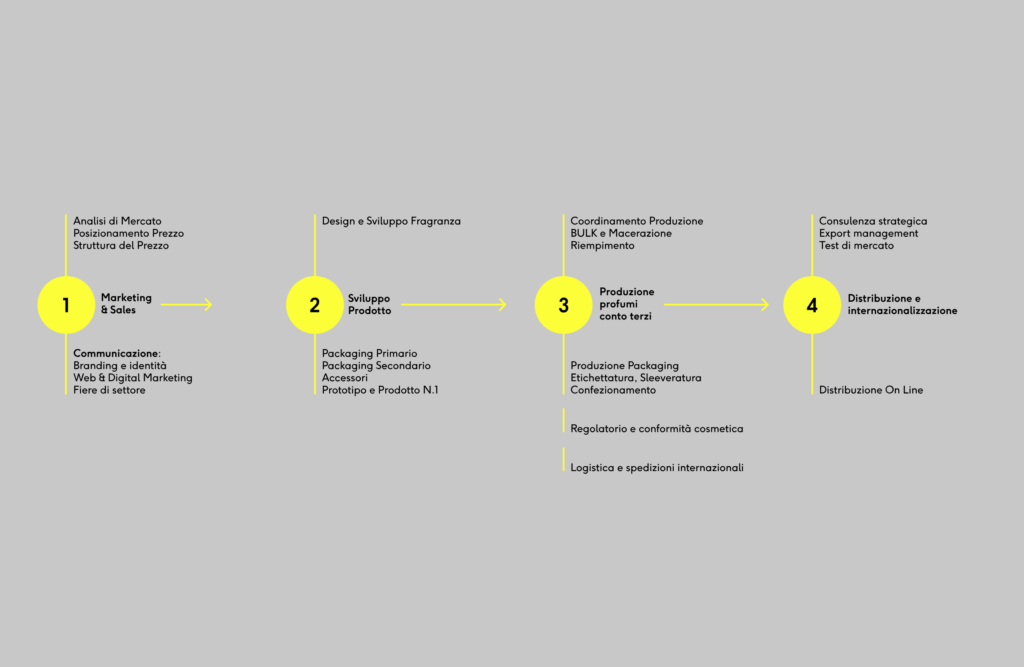
Sell-out is shaped long before launch, through a series of often invisible decisions:
-
setting the retail price
-
clear positioning
-
consistency of the packaging
-
channel choice
-
aligned messaging
When these elements are aligned, the market responds quickly. When they aren’t, no amount of communication can make up for it.
The problem with isolated performance
Many brands chase performance:
-
campaigns
-
discounts
-
influencers
-
visibility
These tools can create spikes. But they don’t build structure. Performance is episodic. Structure is repeatable. A brand that lives on performance lives on exceptions. A brand that builds structure builds continuity.
The role of the project
A solid project:
-
reduces the need to explain
-
makes the price credible
-
makes the choice easier
A weak project needs constant justification. Sell-out can’t be forced. It can only be enabled.
Why sell-out is not a metric to chase
When sell-out becomes the goal, the risk is clear:
-
shortcuts
-
compromises
-
loss of coherence
When it’s read as a consequence, however, it becomes a diagnostic tool. It doesn’t tell you “how good we are”.
It tells you where the system works and where it doesn’t.
Conclusion
Sell-out is not a KPI to chase. It is a signal to read.
Those who treat it as a goal arrive too late. Those who treat it as an effect build systems that work.