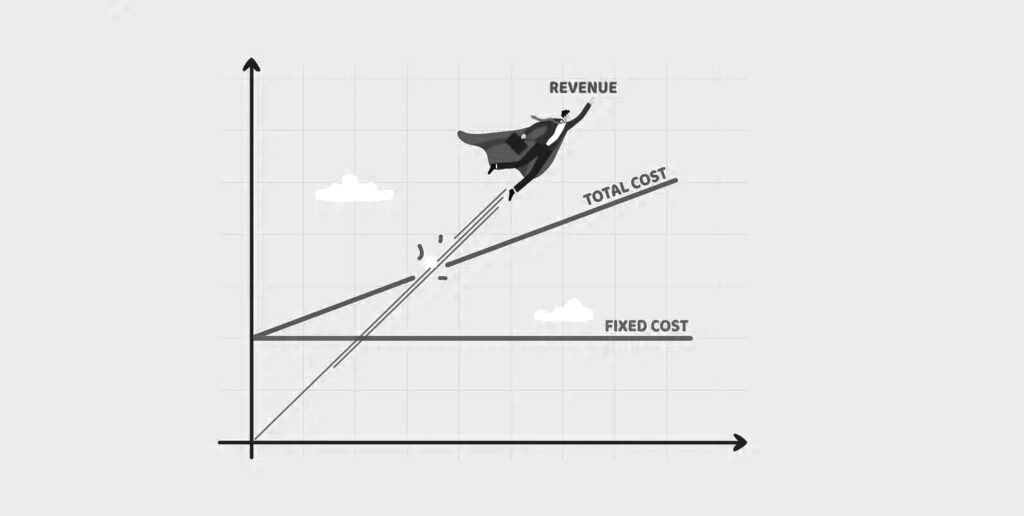

Growth changes the industrial architecture.
Going from 10,000 to 100,000 perfumes a year doesn’t mean making the same thing ten times over. Procurement, MOQs, capacity, automation, quality control, stock, capital and logistics all change. The model that works in the early phase can become inefficient as the brand grows. So the real question isn’t how to make more units, but what industrial structure to build so that higher volumes are repeatable and sustainable.
Scale changes the nature of risk.
With small batches, many exceptions can be handled manually. At higher volumes, every error is multiplied. A non-conformity in a decoration, a delay on the glass or an assembly problem can affect tens of thousands of units. The value of purchases rises, and so do the financial exposure and the impact of every technical decision.
MOQs and range architecture.
With higher volumes and more SKUs, MOQs become a strategic variable. Sharing some components across products can reduce stock and increase purchasing power. Conversely, multiplying custom glass, caps and decorations can tie up capital. Scalability therefore has to be designed in from Product Development onward.
Capacity, forecasting and production.
At 100,000 units, capacity has to be planned. Components, bulk, maceration where required, filtration, filling, assembly and packing must all converge in the same plan. The sales forecast becomes an industrial input and must translate into a procurement plan, a production plan and an inventory plan.
Quality and automation.
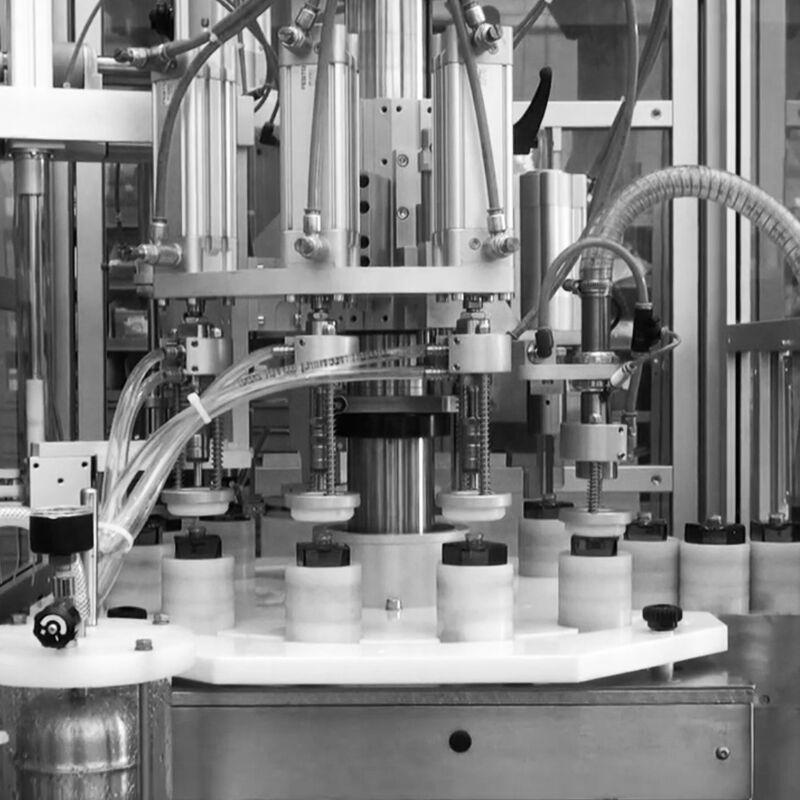
Manual processes that are sustainable at small volumes may not be at larger ones. Compatibility with automated lines, speeds, tolerances and control systems needs to be checked. Quality shifts from final inspection to a system of incoming inspection, in-process controls, AQL, traceability and golden samples.
Working capital and logistics.
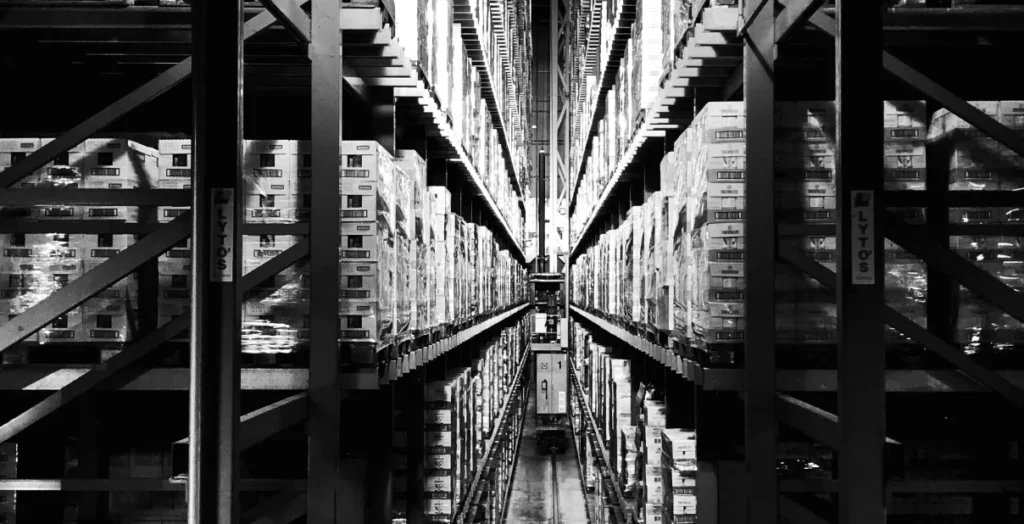
Producing more means financing more components and more stock before any sale takes place. Lead times and MOQs have a direct impact on capital. And if the brand enters more markets, it has to decide where to position the product and how to manage B2B, e-commerce, export and replenishment.
The End-to-End perspective.
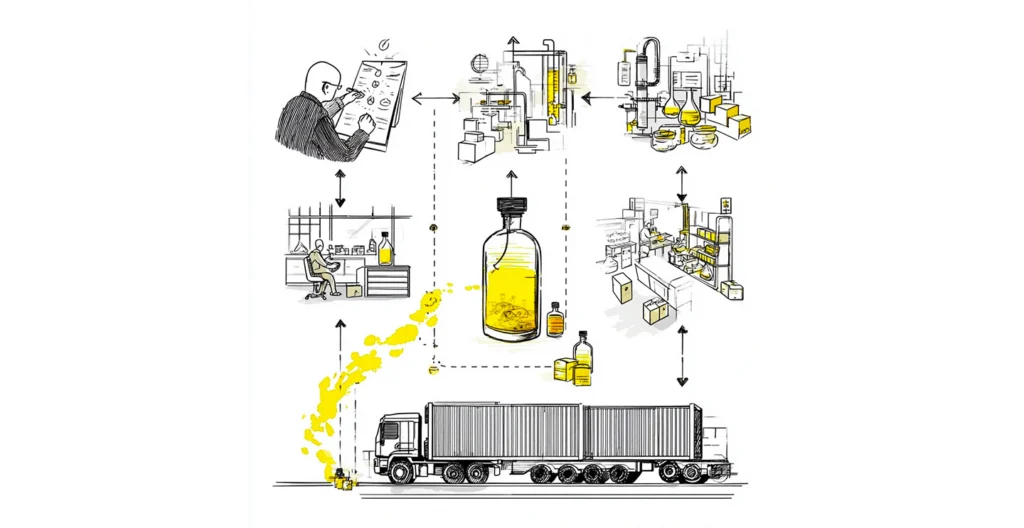
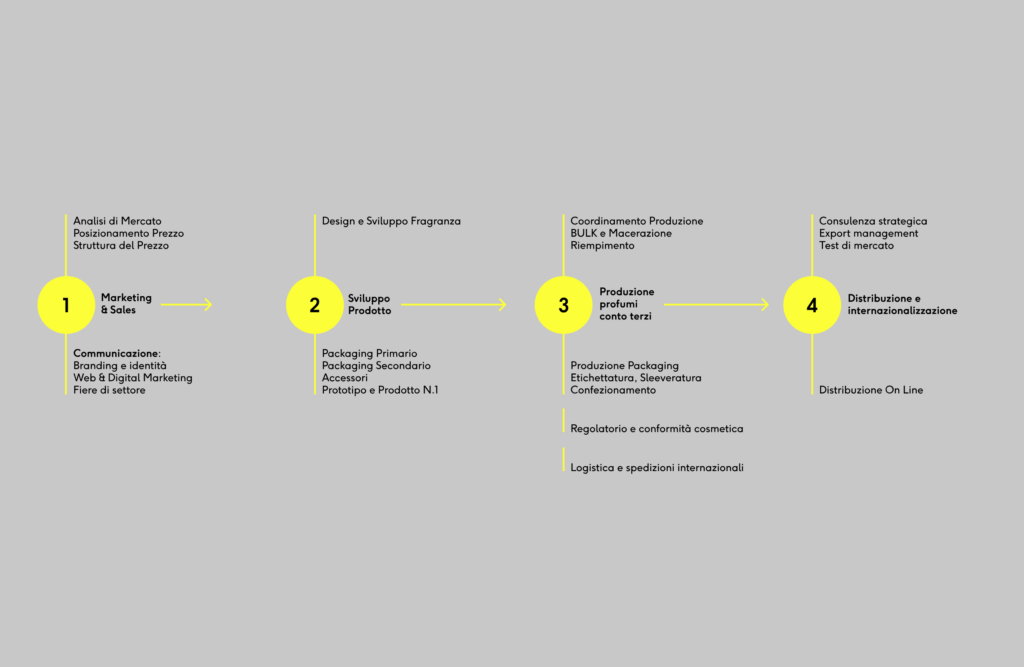
An End-to-End Manufacturing Platform connects these elements before growth turns them into emergencies. BOLD integrates product development, industrialization, production, supply chain and logistics, and can manage programs that evolve over time. Production delivers the next batch; industrialization prepares the ones after it. That’s the difference between increasing quantities and building scalability.
A scaling roadmap.
An effective roadmap distinguishes at least four levels: product, supply chain, capacity and capital. On the product side, you check compatibility with more automated processes. On the supply chain, you renegotiate MOQs and lead times. On capacity, you define production windows and volume scenarios. On capital, you measure how much is absorbed by components and stock. Scaling up should follow clear gates rather than being left to order growth alone.
A practical example.
If a brand expects to grow from 20,000 to 80,000 units, it may make sense to qualify a second supplier for a critical component in advance, check assembly speed and agree on capacity before the increase in demand has already happened.
Key takeaways
– Industrial growth isn’t linear.
– Packaging and MOQs must be designed for future volumes.
– Forecasting and production capacity become interdependent.
– Quality has to move upstream in the process.
– Working capital and logistics are part of scaling.
FAQ
How do you scale up perfume production?
By coordinating forecasting, procurement, packaging, capacity, quality, stock and logistics in a single industrial plan.
What’s the difference between producing 10,000 and 100,000 units?
Beyond quantity, risk, capacity, automation, MOQs, tied-up capital, controls and supply chain complexity all change.
When should you start preparing to scale?
Before the biggest order arrives. The packaging, supplier and process choices made in the first batches can either enable or limit future growth.
Conclusion.
A brand doesn’t become industrially scalable the moment it sells more. It becomes scalable when its infrastructure is ready to turn that demand into available product, with controllable quality, lead times and costs.