Retail price is often treated as a marketing decision. In reality, it shapes a significant part of the product’s industrial architecture. Brand, retailer, and distributor margins, taxes, promotions, and logistics determine how much economic value is left for formula, packaging and production. Designing without this picture can lead to a product that is desirable but economically unsustainable.
From price to target cost.
The right process starts from retail price, channels, and margins to work out an industrial target cost. It isn’t about cheapening the product: it’s about concentrating value where consumers perceive it and avoiding technical choices that clash with the business model.
Different channels, different economics.
D2C, wholesale, department stores, and international distribution each have different economic structures. The same product can be sustainable in one channel and fragile in another. That’s why the go-to-market strategy has to be in dialogue with Product Development before the packaging is frozen.
Packaging and formula as value allocation.
The industrial budget has to be allocated across juice, bottle, pump, cap, decorations, carton, and process. The question isn’t where to cut, but which elements truly support positioning and sell-through.
Margins and scalability.
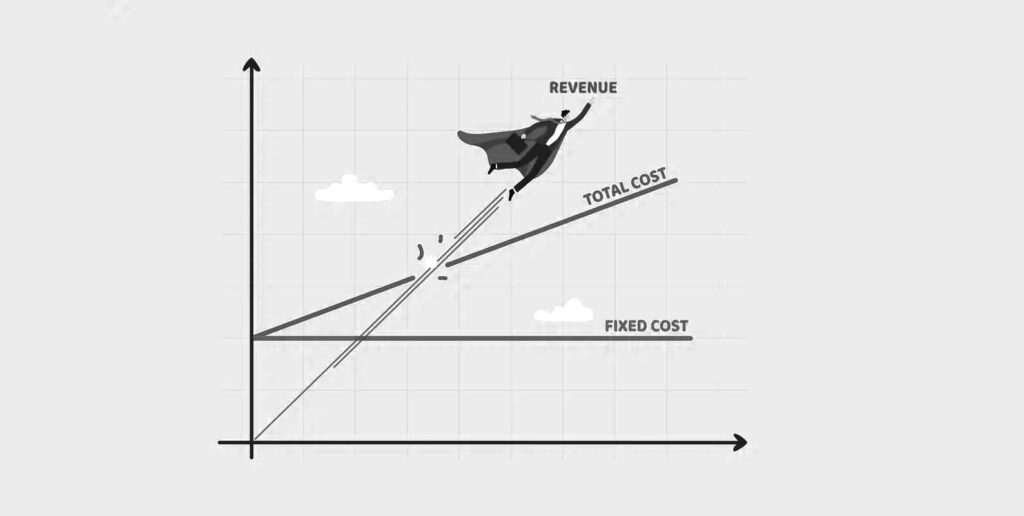
A product with insufficient margin limits marketing, distribution, and growth. Industrialization must therefore protect not only quality, but also the brand’s ability to fund its own development.
The End-to-End perspective.
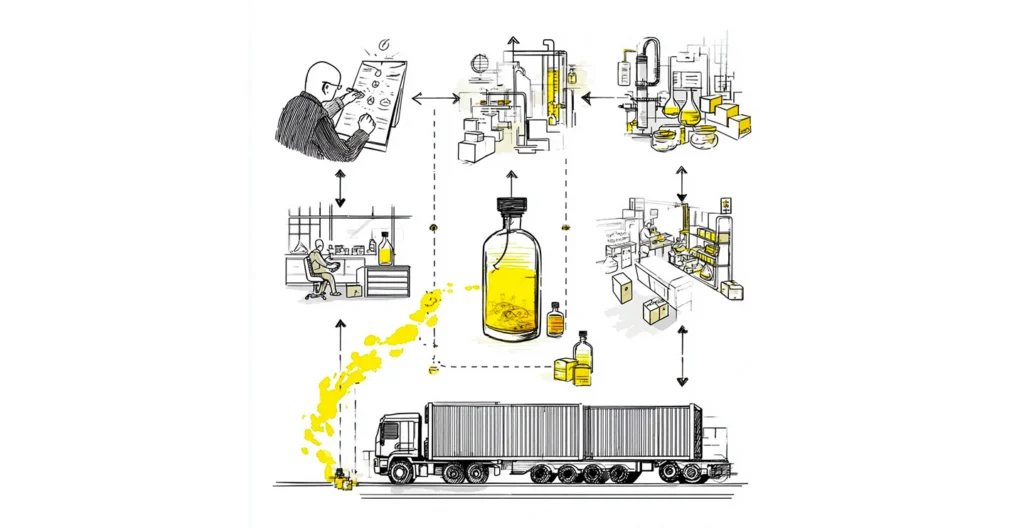
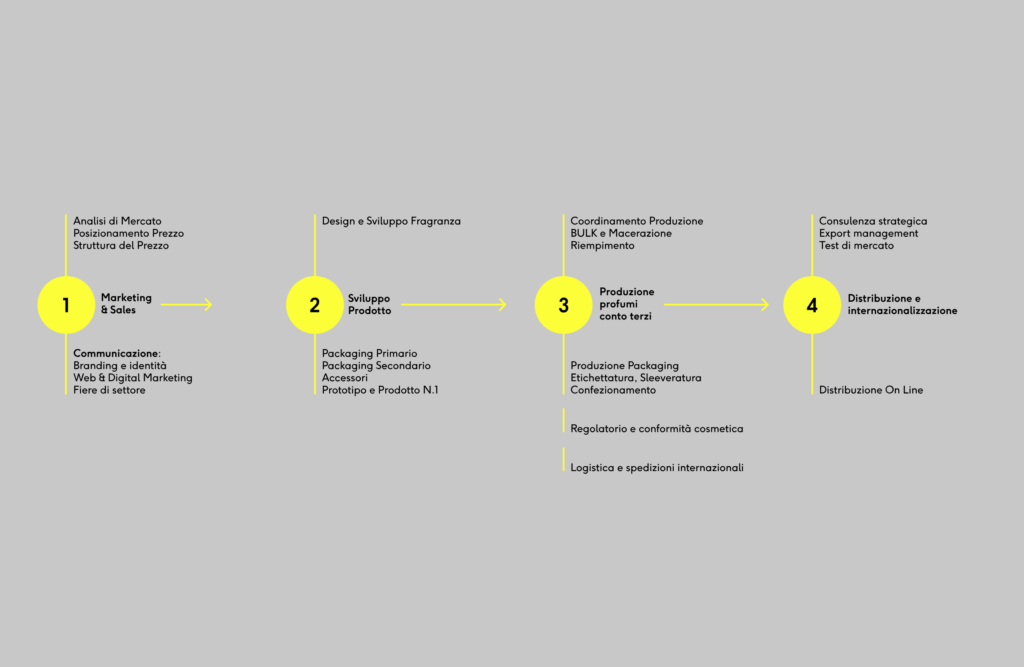
In BOLD’s End-to-End model, Marketing & Operations and Industrial Manufacturing aren’t separate worlds. Industrial decisions start from the market: positioning, pricing, channel, and volumes become inputs for product development, procurement, and production.
How to connect pricing and product development.
A practical method is to set three numbers before design freeze: retail price, target gross margin, and target industrial cost. The team can then assess every technical choice against these limits. If a decoration adds cost, it must be clear what perceived or commercial value it generates. If the channel changes, the economic model needs to be recalculated before the product is confirmed.
A practical example.
A D2C brand moving into wholesale may see the economic room available for the product shrink, even while keeping the same retail price. The supply chain has to be ready to recover efficiency without compromising positioning.
Key takeaways.
– Retail price is an industrial input.
– Target cost must be defined before the product is frozen.
– Channel and distribution change the economics of the project.
– Perceived value should drive cost allocation.
FAQ
How do you calculate the target cost of a fragrance?
Start from the retail price and subtract channel margins, taxes, commercial costs, and the brand’s target margin.
Why does pricing affect packaging?
Because packaging and formula have to fit within a cost structure that is consistent with positioning and margins.
When should retail price be defined?
Ideally in the early stages of the project, before the main design and industrialization decisions.
Conclusion.
The right product isn’t just the one the brand wants to make. It’s the one the market is willing to buy and the company can produce, distribute, and grow with sustainable margins.